
Top Ten Low FODMAP Foods
Low FODMAP Foods that Make IBS‑Friendly Eating Easier
Starting the low FODMAP diet can feel a bit like learning a new language — suddenly you’re studying labels, checking apps, and wondering whether a single cherry tomato is going to cause chaos. But the truth is: once you know your “safe staples,” everyday eating becomes far simpler.
This week, we’re spotlighting ten low FODMAP foods that are easy to keep on hand and versatile enough to build nutritionally balanced meals around. These foods contain either no FODMAPs, negligible amounts, or have a generous low FODMAP serving sizes that is hard to exceed in a single sitting.
Think of them as your IBS‑friendly toolkit — the ingredients that help you whip up meals without stress or discomfort.
And remember: the low FODMAP diet is not about restriction forever. It’s a structured, temporary experiment to help you identify your triggers. While you’re in the elimination phase, these staples will keep your meals satisfying and your gut as calm as possible. So in no particular order…
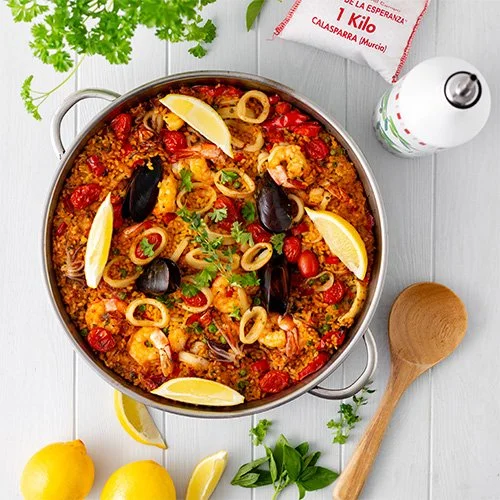
1. Rice
Rice is one of the easiest low FODMAP carbohydrates to rely on — gentle, filling, and endlessly adaptable. Brown rice brings extra fibre and minerals, while cooled white rice is a superstar source of resistant starch, a type of prebiotic fibre that feeds beneficial gut bacteria without triggering bloating.
Use rice as the base for stir‑fries, curries, or poke bowls. or a paella. Switch to rice noodles for some variety
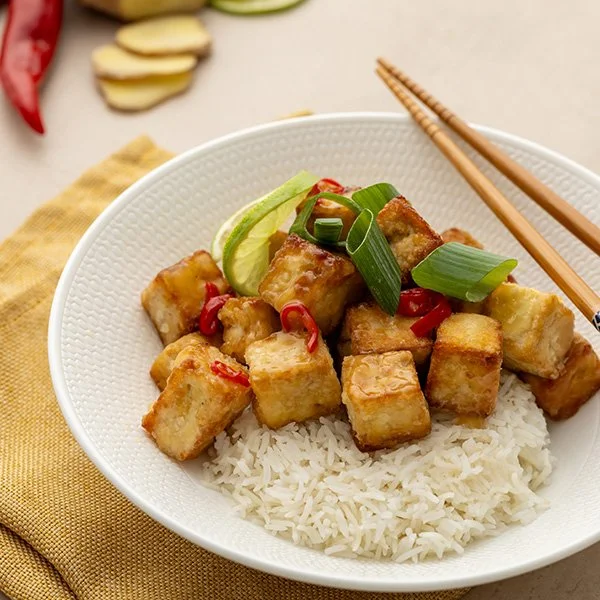
2. Meat, Chicken, Eggs & Firm Tofu
All plain, unprocessed animal proteins — meat, chicken, fish, eggs — are naturally FODMAP‑free. They’re reliable anchors for meals.
For vegetarians, firm tofu is the closest equivalent, with a generous low FODMAP serving size of 170 g. It absorbs flavours beautifully and works in stir‑fries, curries, and scrambles.
Try pairing tofu or chicken with our Low FODMAP Stir‑Fry recipes featuring bok choy, rice noodles, or carrots.

3. Potatoes
Potatoes are one of the most comforting and versatile low FODMAP foods. With a maximum low FODMAP serving size of 407 g (around 3.3 medium potatoes), they’re filling and easy to prepare in countless ways.
They’re also rich in vitamin C, vitamin B6, and potassium, and keeping the skin on adds extra insoluble fibre. Like rice, cooled potatoes (think potato salad) are a great source of resistant starch.
You can also swap in orange‑flesh sweet potatoes in moderate portions for extra colour and antioxidants.
For a potato‑forward dish, explore our Low FODMAP Salmon, Potato & Green Bean Salad.

4. Carrots
Carrots are one of the most generous low FODMAP vegetables - you can enjoy them freely. They’re vibrant, crunchy, and packed with beta‑carotene, vitamin A, and gut‑friendly fibre.
Grate them into salads, roast them, blend them into soups, or stir‑fry them. They add colour, sweetness, and texture to almost any meal.
They also feature beautifully in our carrot, orange and ginger soup.
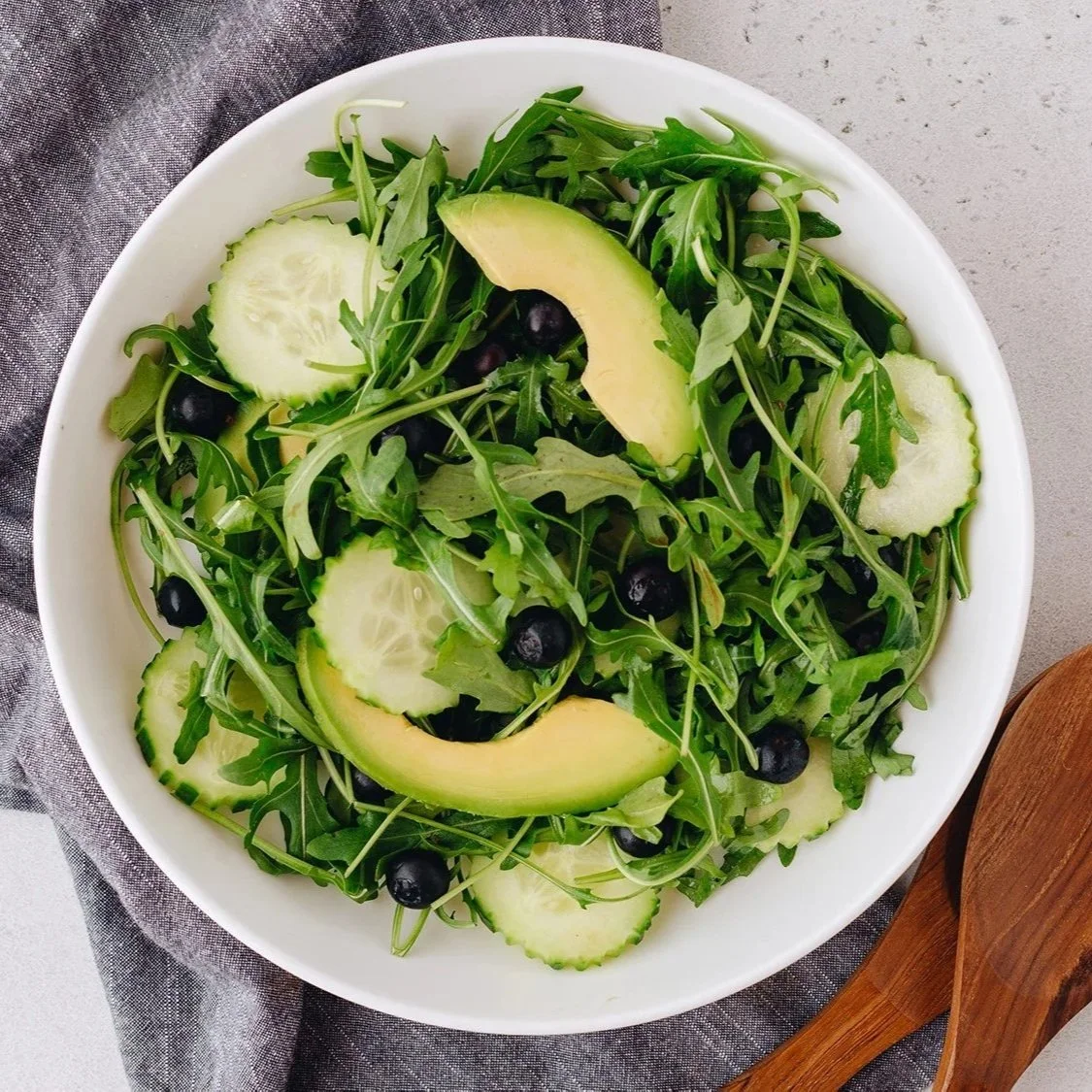
5. Cos Lettuce. Rocket or Baby Spinach & Cucumber
These form the backbone of a refreshing, IBS‑friendly salad. They’re hydrating, low in calories, and rich in polyphenols, plant compounds your microbiome loves.
Cos lettuce: low FODMAP up to 2.8 cups
Rocket: eat freely, low FODMAP up to 500g
Baby spinach: low FODMAP up to 1.5 cups
Cucumber: low FODMAP at 75 g (about ⅓ medium cucumber)
Choose a leaf and mix with the cucumber for a crisp, cooling salad. Adding a little avocado and blueberries takes it next level in our pretty green salad.
Or us Cos lettuce as as bowls topped with rice noodles, chicken or tofu.
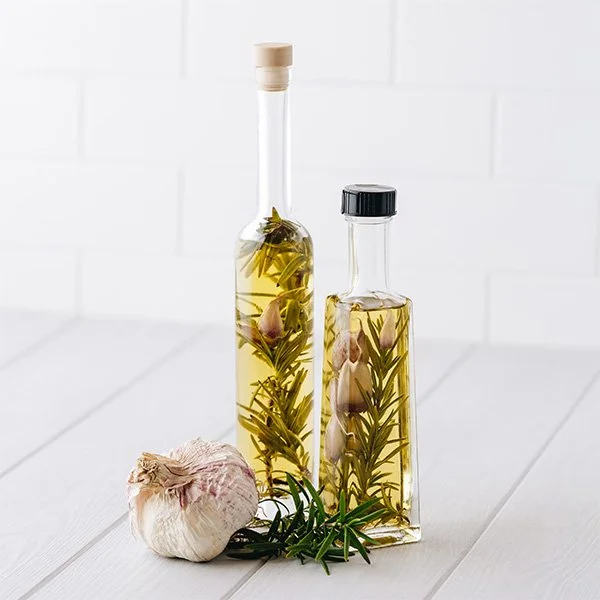
6. Extra Virgin Olive Oil
Olive oil is completely FODMAP‑free and one of the healthiest fats you can choose. Extra virgin olive oil (EVOO) is rich in polyphenols, which support heart health, reduce inflammation, and may even benefit the gut microbiome.
Use it for roasting, sautéing, or drizzling over cooked vegetables. Pair 2 tbsp or EVOO with 1 tbsp of lemon juice , a little salt, pepper and mustard powder for a fabulous salad dressing.
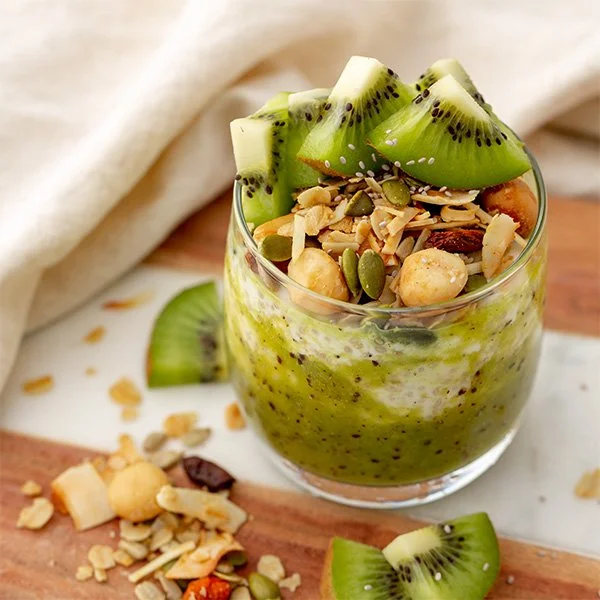
7. Kiwifruit
Kiwifruit is a gut‑health hero. Two kiwifruit provide around 4 g of fibre, including soluble fibre that helps soften stools and support regularity. Research suggests kiwifruit may also support sleep quality, mood, and long‑term colon health.
Up to four kiwifruit are low FODMAP, making it unlikely you’ll exceed the limit.
They’re delicious on their own, blended into smoothies, or added to lactose‑free yoghurt bowls. You’ll find kiwifruit featured in several breakfast‑friendly ideas including our chia pots and kiwi vanilla glow smoothie.
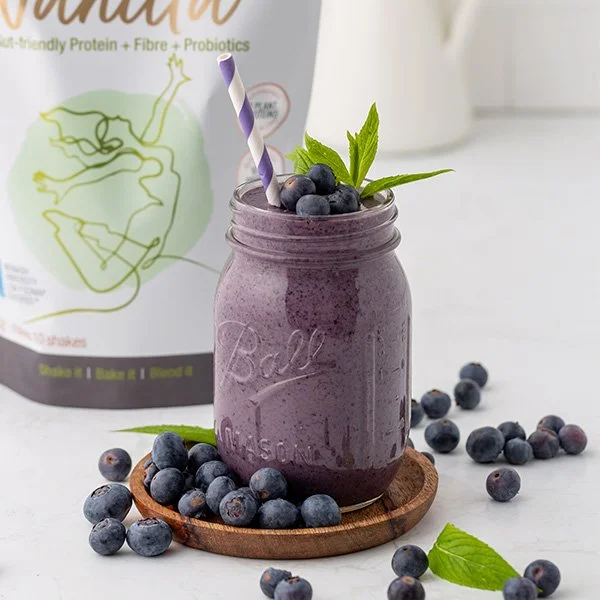
8. Blueberries
Blueberries are one of the most generous low FODMAP fruits, with a serving size of up to 500 g. They’re packed with antioxidants, vitamin C, and anthocyanins, which support brain and gut health.
Enjoy them fresh or frozen — in smoothies, yoghurt bowls, salads, or baked into low FODMAP treats.
They shine in our blueberry burst smoothie and our berry crumble.
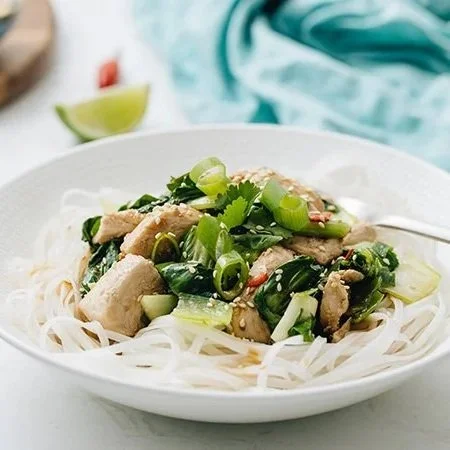
9. Bok Choy & Bean sprouts
These two vegetables pair beautifully in stir‑fries, soups, and noodle dishes. They’re light, crunchy, and low in FODMAPs, but high in vitamins and anti-oxidants.
Bean sprouts are rich and rich in vitamins K, C, and folate (B9) and fibre, plus flavonoids.
Similarly, Bok choy is high in Vitamin K, Vitamin C, and Vitamin A, plus antioxidant compounds like quercetin, sulforaphane
Both add texture and freshness. Try them together in our Autumnal stir-fry.
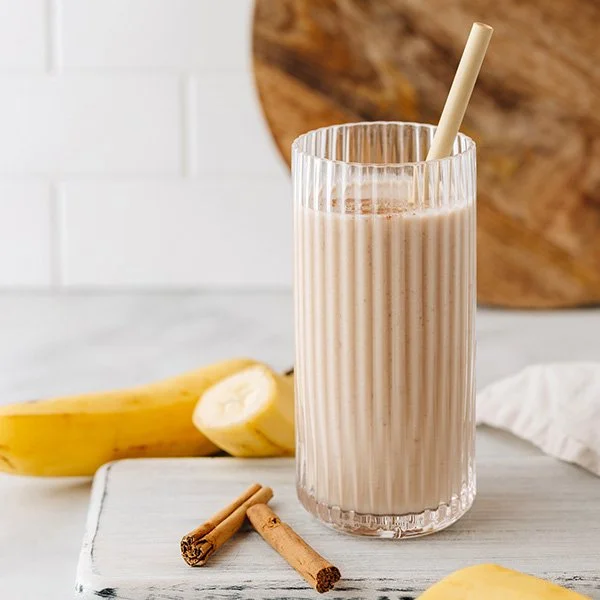
10. Lactose‑Free Dairy
Lactose‑free dairy makes life on the low FODMAP diet much easier. Lactose‑free milk, yoghurt, sour cream, are widely available — or you can make your own milk by adding lactase drops.
You can liven up your lactose-free yoghurt by stirring through Berries or Tropical Boost.
Most hard cheeses (cheddar, parmesan, Swiss, fetta) are naturally low in lactose (up to a 40gserve ), so there’s no need to buy special versions.
Use lactose‑free dairy in smoothies, sauces, or your morning tea. You can even make your own lactose-free ice-cream using this recipe.
Bonus Ingredient: Green Beans
Green beans are another wonderfully versatile vegetable to keep in your low FODMAP rotation. With a generous low FODMAP serving size of 75 g, they’re easy to add to meals without worrying about symptoms. They’re crisp, hydrating, and packed with vitamin C, vitamin K, and folate, plus a mix of soluble and insoluble fibre that supports healthy digestion.
They work beautifully in stir‑fries, salads, curries and stews. Lightly steaming them keeps their crunch, while roasting brings out a deeper, sweeter flavour. They also pair well with other low FODMAP staples like potatoes, rice, tofu, and chicken.
Bonus Ingredient: Nuts & Seeds
Nuts and seeds add crunch, healthy fats, minerals, and our favourite nutrient, fibre.
Low FODMAP options include:
40 g: pecans, macadamias, walnuts, Brazil nuts, or mixed nuts
30 g: pumpkin seeds, chia seeds, sesame seeds
15 g: sunflower seeds, flaxseeds
Sprinkle them on salads, yoghurt, porridge, or blend into smoothies.
These twelve foods give you a solid foundation for building balanced, satisfying, low FODMAP meals. Keep them on hand and they will help you stay well‑fed while you navigate the elimination phase.
Finally…
Add flavour with spices and fresh herbs.
Try and add extra variety if you can - even a single slice of avocado, one cherry tomato, ½ cup of red pepper, or three asparagus spears add valuable plant diversity that your gut microbes adore.
If you are looking for other ways to create easy low FODMAP meals, try using our shakes in smoothies, or check out our Mix ‘n Match approach.