
Is cheese low fodmap? Which cheeses can you eat with IBS?
If you have IBS, then you’ve probably spent a small fortune on lactose free milk, lactose free yoghurt and other lactose free products. But what about cheese? Do you really need to purchase lactose free cheese?
I am a cheese lover with IBS-C (constipation predominant) and I follow a modified low fodmap diet tailored to my triggers. Here’s what I wish I’d known earlier… Some cheeses are naturally low in lactose, so you don’t have to pay extra for a lactose free version. Yep, many everyday cheeses are naturally low in lactose, so you can buy the regular version and save your money. But for some cheeses, a lactose free alternative is definitely worth considering because it may allow you to enjoy a larger low fodmap serving. The trick is knowing which is which. Today’s blog explains which lactose free cheeses are worth buying. Plus, we feature a fabulous new chocolate cheesecake recipe that you may not have realised is on the low fodmap menu!
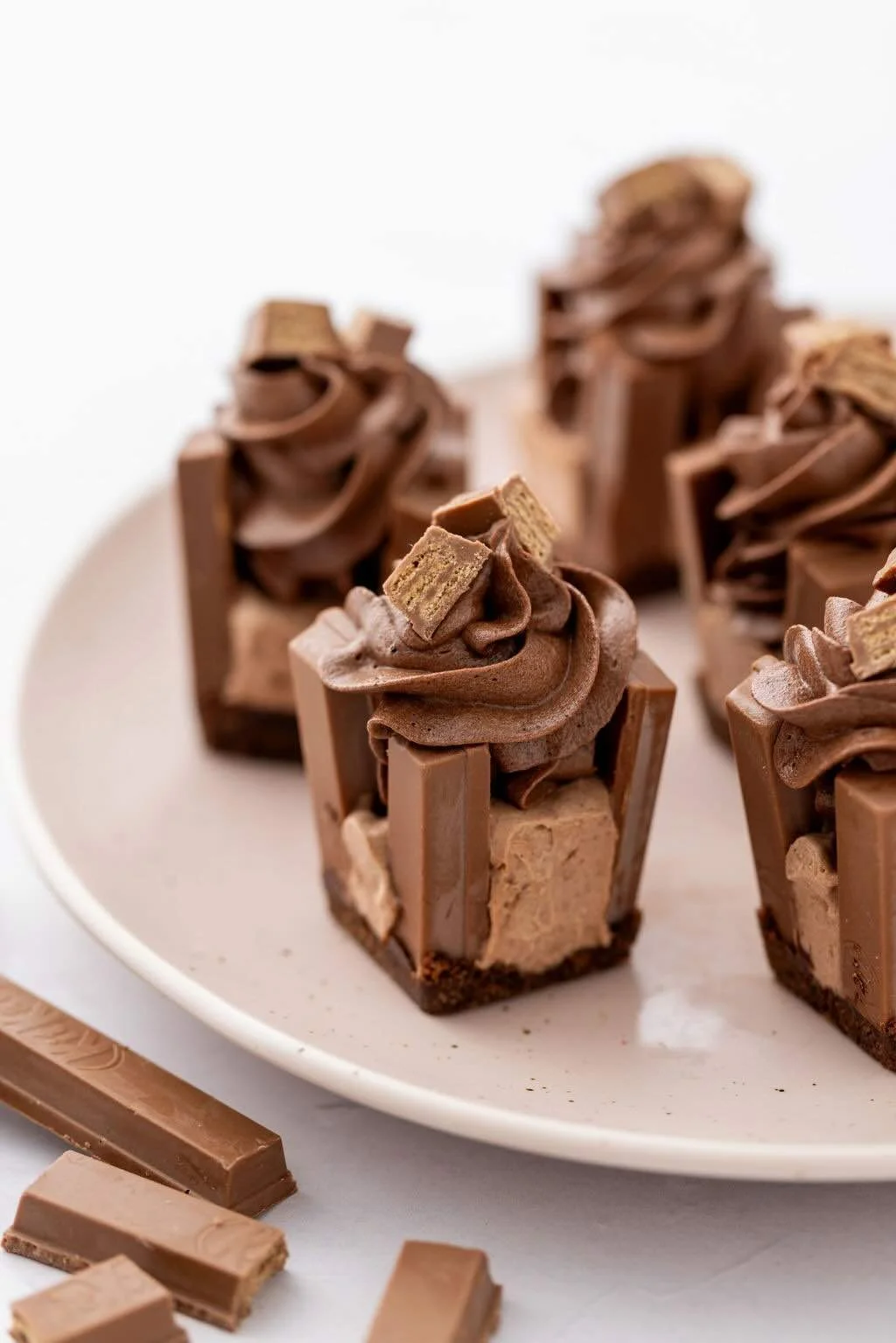
How is cheese different from milk?
Lactose is the naturally occurring sugar found in milk. To digest it, your small intestine needs an enzyme called lactase, which breaks lactose down into simpler sugars that your body can absorb. If you don’t produce enough lactase, some lactose can reach your large intestine, where gut bacteria ferment it. This can contribute to symptoms such as bloating, wind, abdominal discomfort and diarrhoea.
So why doesn’t cheese behave like a glass of milk?
It comes down to how cheese is made. Cheesemakers add bacterial cultures to milk, which begin converting lactose into lactic acid. An enzyme is then used to separate the milk into curds and whey. Much of the lactose leaves with the whey, which is drained away.
But wait! There’s more. As some cheeses mature, the bacteria continue to use up residual lactose. That means many aged cheeses contain very little lactose compared with milk. Think cheddar, Parmesan and Swiss cheese. Fresh and softer cheeses can retain more lactose because they may be made and consumed before the lactose has been removed or broken down.
So this means that buying lactose free versions of “hard” cheeses (such as cheddar, parmesan and Swiss) can be a waste of money but purchasing lactose free varieties of “soft” cheeses (such as cream, cottage and camembert) means you may be able to eat a larger low fodmap serving size.
Which cheeses can I eat on the low fodmap diet?
There are a couple of reasons why it’s worth checking both the Monash Fodmap App and the Fodmap Friendly App. Firstly, the apps don’t test exactly the same cheeses. For example, Monash has tested Queso Fresco, while the Fodmap Friendly App lists Pepper Jack cheese, which isn’t listed on the Monash App. So, if you can’t find your favourite cheese on one app, it’s worth checking the other before you rule it out.
Secondly, the apps present serving size information a little differently. Monash lists its recommended low fodmap serving size, while Fodmap Friendly also provides a maximum serving size that remains within its low fodmap threshold. That extra information can be useful when you want to know whether you can enjoy a little more cheese, rather than sticking to the typical serve.
Below is a breakdown of the recommended low fodmap serving sizes listed in the Monash App (correct as at October 2026), alongside the maximum low fodmap serving sizes listed in the Fodmap Friendly App.
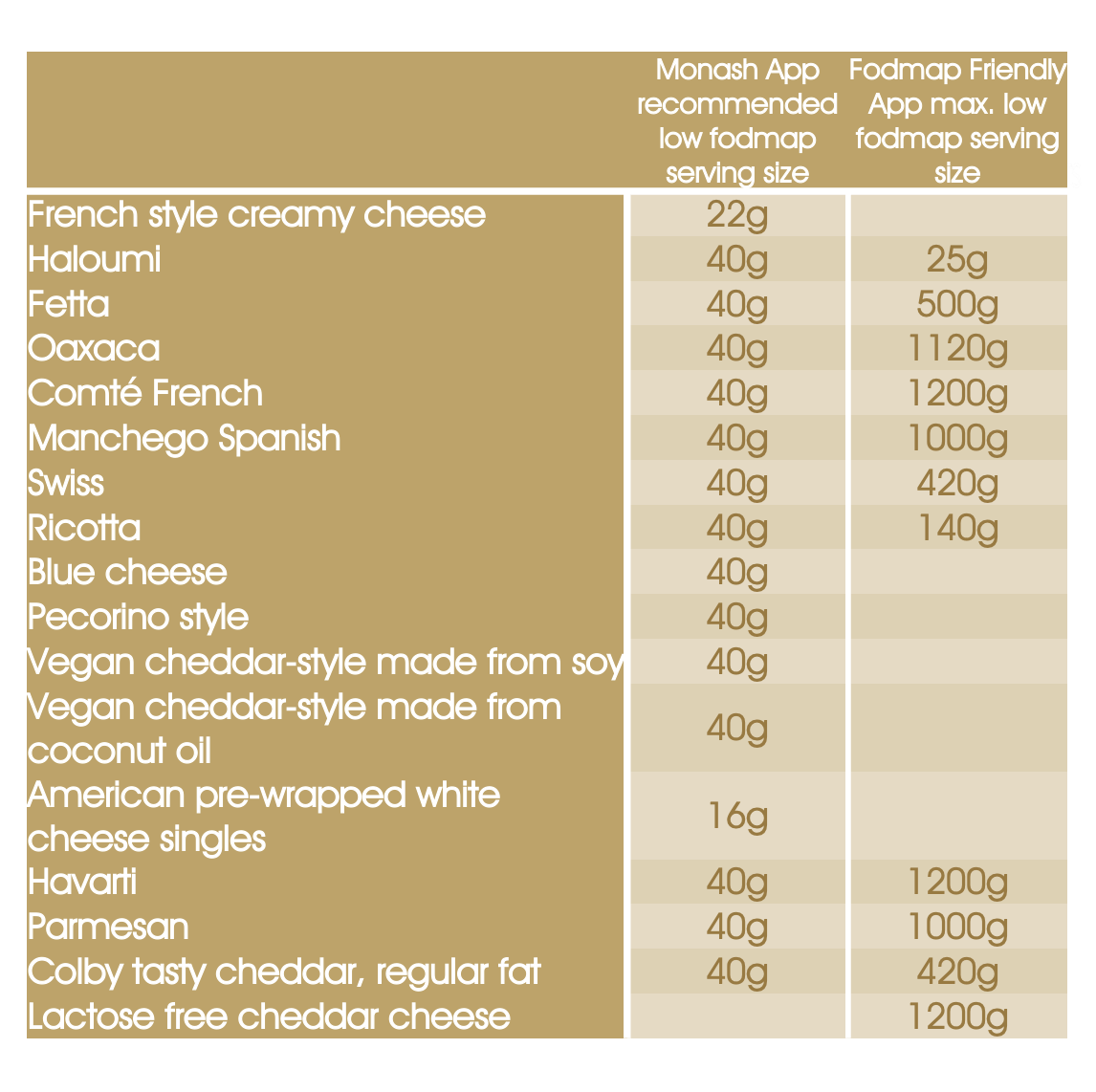
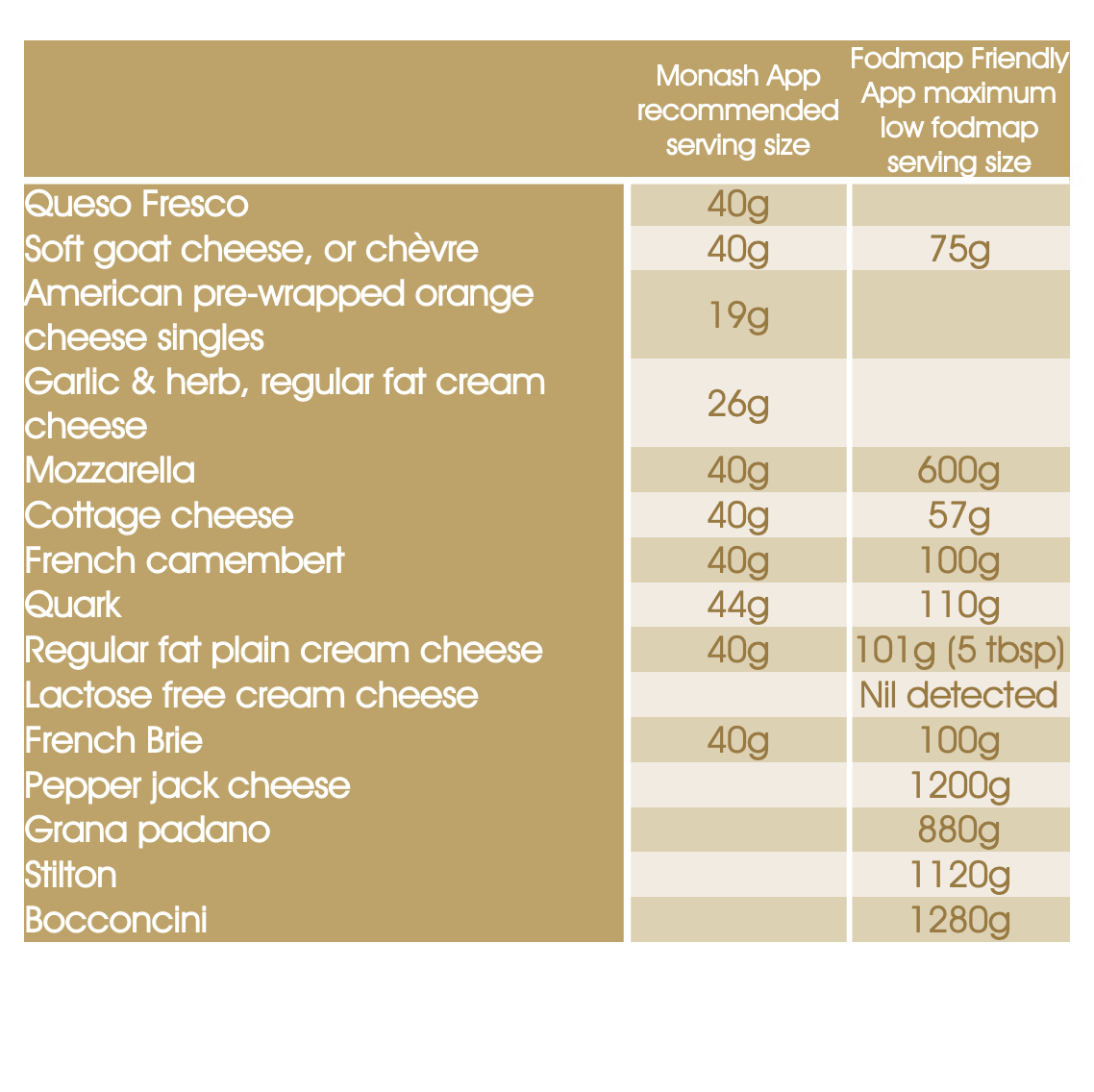
Yes, lactose free varieties can allow you to eat a larger serving, but the difference depends on the type of cheese. Take cheddar, for example. If the maximum low fodmap serving of regular cheddar is already more than 420g, you’re unlikely to need a lactose free version to enjoy a typical portion. Why pay more for something you don’t need, especially if you prefer the taste of regular cheddar?
Cream cheese is a different story however. If the maximum low fodmap serving of regular cream cheese is around 101g, switching to a lactose free version allows you to enjoy considerably more. And that’s the comparison I really want you to notice: regular cheddar versus lactose free cheddar, and regular cream cheese versus lactose free cream cheese. Lactose free doesn’t automatically mean you need to buy it, or that every cheese becomes unlimited. It’s about understanding where the difference in serving sizes actually matters, so you can spend your money wisely and make choices that work for your gut.
What if my favourite cheese isn’t listed?
First, don’t panic. The apps don’t list every cheese, brand and variety available in Australian supermarkets. If yours isn’t listed, check the nutrition information panel and ingredients list for clues.
Lactose is a sugar, so the amount of sugar listed per serve can sometimes help you assess a cheese. A cheese with very little sugar is likely to contain very little lactose, particularly if it is a matured cheese. However, the label does not tell you exactly how much lactose is present, and it cannot confirm that a product has been tested as low fodmap so this method isn’t infallible.
Also check for added ingredients. Garlic, onion, inulin or other high fodmap additions can change the picture, even when the cheese itself contains little lactose. And, in larger serving sizes, some cheeses (such as ricotta), fructans are the real issue, not lactose.
So do I really need to buy lactose free cheese?
Not necessarily. If you follow a low fodmap diet, many regular cheeses can fit into your diet at their recommended serving sizes. You may be able to save money simply by choosing the right variety and portion rather than automatically reaching for a lactose free alternative.
👉🏽 Key takeaway: buy regular “hard” cheeses but buy lactose free “soft” cheeses.
There is one important caveat. Lactose tolerance varies from person to person, and IBS symptoms are not always caused by lactose. If you have diagnosed lactose intolerance, your individual tolerance still matters. And if you react to a cheese that is low in fodmaps, that doesn’t mean you’re imagining your symptoms. Other ingredients, portion size and individual sensitivities can all play a part.
If you’ve enjoyed our previous articles about milk, you might also like Making Lactose Free Magic, which explains how lactase drops can help convert regular milk into low lactose milk, and Which Milk Is Best for Your Gut?, our guide to milk choices on the low fodmap diet.
👉🏽 Key takeaway: You don’t have to give up cheese just because you have IBS, and you may not need to pay extra for lactose free cheese either. A little knowledge about how cheese is made, the variety you choose and the serving size can give you more options at the supermarket, and a lot more enjoyment at the cheese board.
Written by: Noisy Guts co-founder Dr Josephine Muir, longterm IBS-C warrior and cheese lover!