
How to Handle “What Can You Eat?”
When you have IBS and have started on the low FODMAP diet, social invitations can suddenly feel like logistical puzzles. You want to enjoy time with friends, and graciously accept their offer, but you also want to avoid flare‑ups - and you definitely don’t want your host to feel overwhelmed. When someone asks, “What can I prepare for you?” even after you’ve offered to bring your own, it can feel difficult to answer without dumping the entire Monash app on them.
This blog covers a couple of ways to handle this situation.
You’ll also find our all time favourite “bring‑your‑own plate” ideas from the Noisy Guts recipe collection from celebratory canapes, to colourful salads and delicious bliss balls, plus a friendly response you can give to your host.
With a a bit of forward planning, drinks, nibbles, barbecues and book club become enjoyable again, without flare‑ups or awkwardness.
Start with Graciousness and Reassurance
Most friends ask what you can eat, because they genuinely want to help and don’t want you to be left out, acknowledge that kindness and follow with a quick explainer:
“Thanks so much for checking - that’s really kind. The low FODMAP diet focuses on reducing highly fermentable carbohydrates that my gut is sensitive too, but it’s actually fairly easy to work around.”
“Many foods have no FODMAPs and most have a low FODMAP serving size.”
“My main triggers are onion, garlic, wheat-based products, lactose (delete as appropriate). I’m fine with plain meats, eggs, hard cheeses, rice crackers, blueberries and veggies like potatoes, carrots, cucumber, capsicum and the odd cherry tomato.”
“I can give you some ideas and/or recipes, but I'm also really happy to work with you on this and bring something I know everyone will enjoy”
This keeps things simple and reduces the overwhelm.
Give Them a Short Cheat Sheet
If they still want to prepare food for you, your host doesn’t need the full low FODMAP rulebook. They just need the big triggers and the easy wins.
Main things I avoid (or limit heavily)
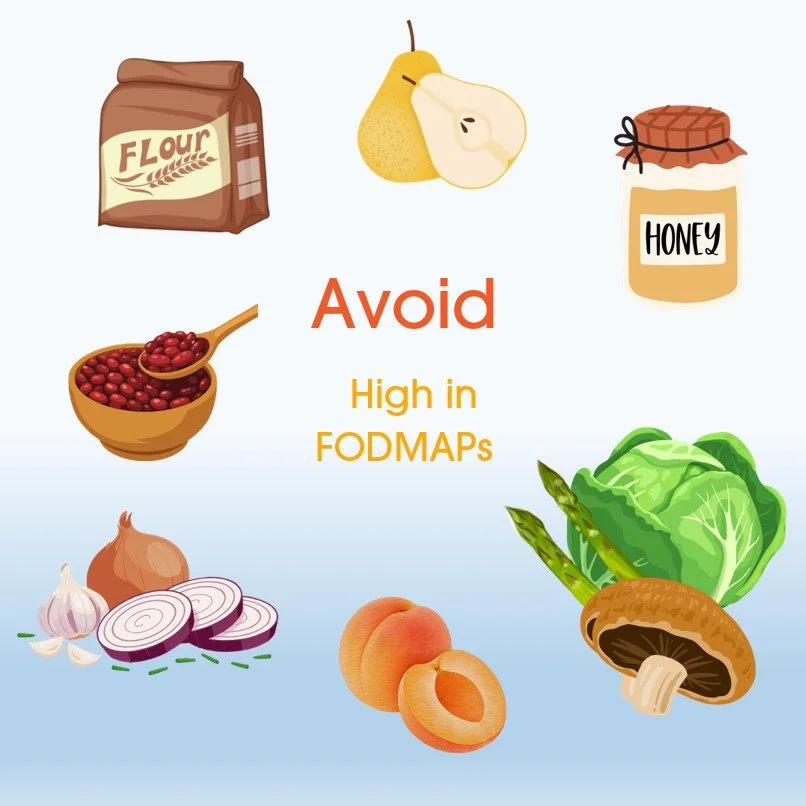
Foods high in FODMAPs come from a wide variety of food groups, but the key ones to watch out for are onions and garlic which are very high in FODMAPs.
Onion (apart from the green tips of spring onions)
Garlic
Wheat (no more than a slice or two of bread)
Lactose (soft cheeses, regular milk, cream & ice cream)
Inulin / chicory root (common in GF breads, protein bars, “healthy” snacks)
High‑FODMAP fruits (apple, pear, mango, stone fruit)
High‑FODMAP vegetables (cauliflower, mushrooms, asparagus)
Legumes (chickpeas, lentils, kidney beans - unless prepared carefully to reduce fodmaps)
Honey - swap for maple syrup
Safe, easy ingredients
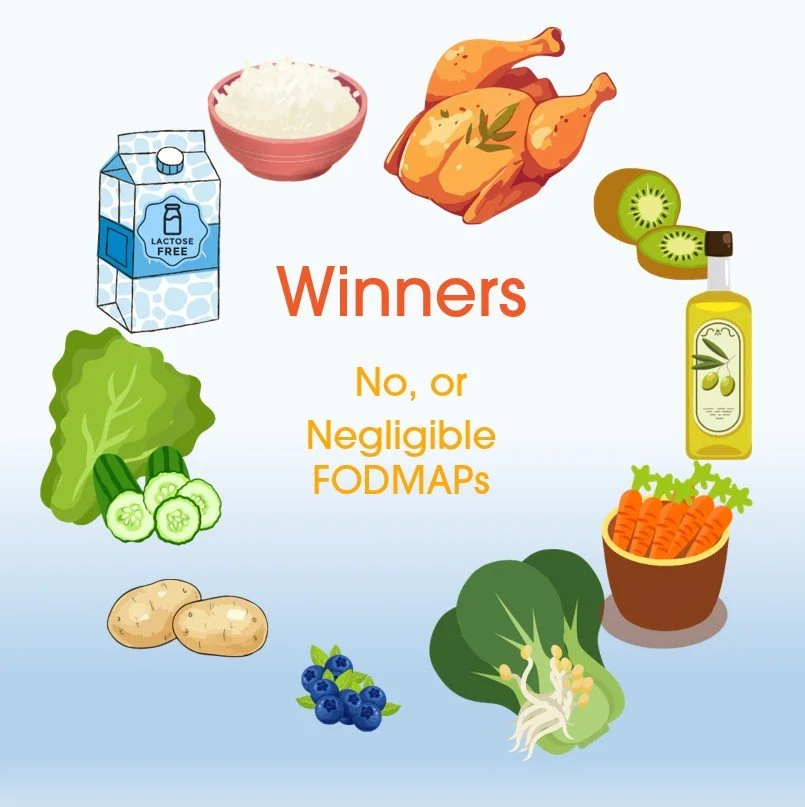
These ingredients provide the easy wins. They have no or negligible FODMAP content and are great building blocks for tasty dishes.
Plain meats: chicken, beef, pork, fish
Eggs
Hard cheeses or lactose‑free dairy
Gluten‑free crackers
Rice, quinoa, polenta
Low‑FODMAP vegetables: carrot, cucumber, capsicum, green beans, a little tomato
Low‑FODMAP fruits: blueberries, kiwifruit, a few strawberries
Garlic‑infused oil (if you like the flavour - we are fussy on this one and prefer to make our own each time we cook)
Simple nibbles they can serve
Hard cheeses and rice crackers
Veggie platter (carrot, cucumber, capsicum, cherry tomatoes)
Chicken skewers with lime, soy, maple or ginger (no garlic)
Plain salted potato chips
Lactose‑free sour cream dip with herbs
Mini frittata bites (egg, spinach, potato, tomato)
These are easy, familiar, and don’t require your host to learn the entire low FODMAP diet.
Teamwork Makes it Easier

One of the best ways to keep things smooth and avoid overwhelming your host, is to collaborate.
You’re allowing them to care for you, but you’re also reducing their workload. This prevents any resentment and keeps the invitation joyful rather than stressful.
You may want to say:
“I’m very happy to bring a few things to add to what you’re already preparing - maybe some cheese, a low‑FODMAP dip, or I can bring a salad or a dessert - whatever makes it easiest for you.”
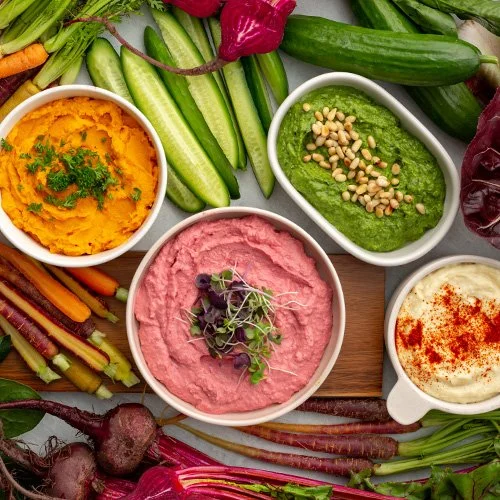
Lovely teamwork options include some of our low FODMAP favourites:
Bringing hard cheeses to add to their grazing platter
Bringing a low‑FODMAP hummus to complement their crudités (try one of these four options)
Bringing rice paper rolls as a fresh, colourful option
Bringing a low‑FODMAP salad dressing they can drizzle over a simple salad
Bringing dessert - lactose‑free cream with mini pavlovas, blueberries, and kiwifruit
For a barbecue: bringing garlic‑free marinated chicken or beef kebabs (try a simple mix of soya sauce, maple syrup, ginger and lime instead)
If You Prefer to Bring Your Own Plate
Here are extra special options drawn from the Noisy Guts recipe collection - perfect for drinks, nibbles, or a casual BBQ,. If your friend loves cooking and experimenting in the kitchen, you could send them these recipes, or you can prepare them yourself.
Celebratory canapes no-one will suspect are low FODMAP
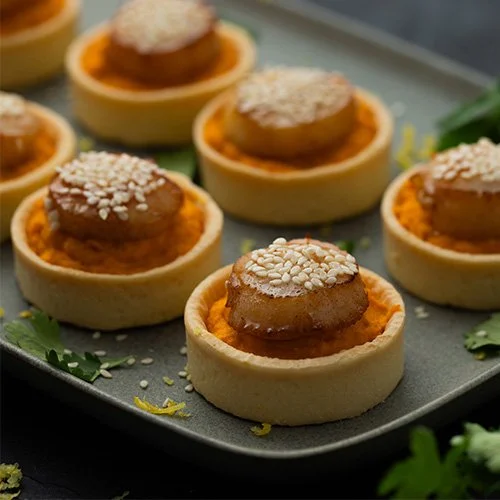
Scallop Tartlets with a Tangy Carrot Puree. These pair beautifully with champagne or white wine
or
Low FODMAP Halloumi, Pesto and Bacon Bites. Salty delights - perfect for a celebratory function
Fresh, colourful salads
Beetroot, Carrot & Feta Salad. A vibrant, low‑FODMAP salad that looks gorgeous and pairs beautifully with BBQ meats
or
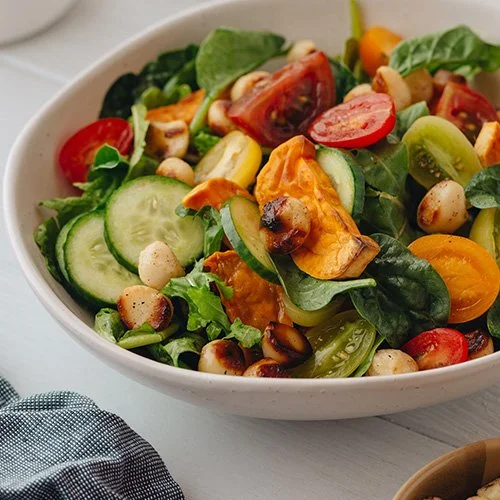
Roasted Sweet Potato and Macadamia Salad. Roasting the sweet potatoes and toasting the macadamias adds a tonne of flavour to this Mediterranean inspired salad.
Savoury bites that travel well
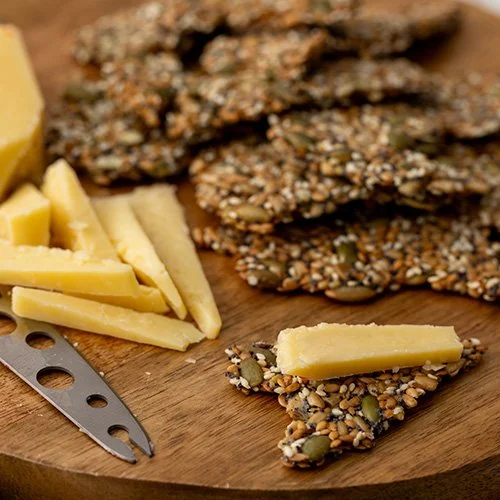
Homemade Seed Crackers. Perfect with hard cheeses or to accompany dips you know are low FODMAP
or
Thai Crispy Chicken. Fail-safe, crunchy Thai chicken strips. Slice into bite‑sized pieces for a nibble platter.
Sweet treats that feel special
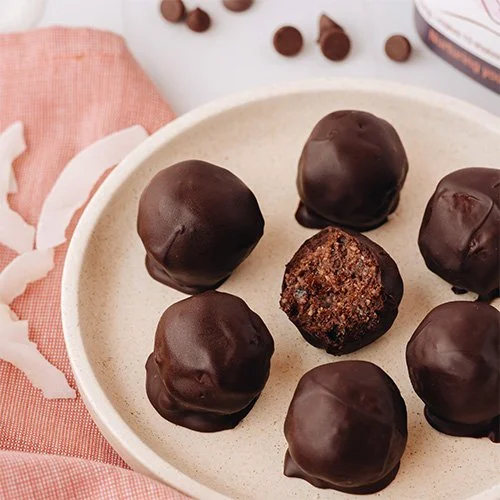
Chocolate Covered Bliss Balls. We don’t know anyone that doesn’t love these. They look and taste like delectable truffles, but are packed with gut-friendly protein from our Chocolate Superflora Shake. They are perfect to take along to book club especially if paired with a pack of Superflora Hot Chocolate. A pack also makes a great thank you gift for a host
or
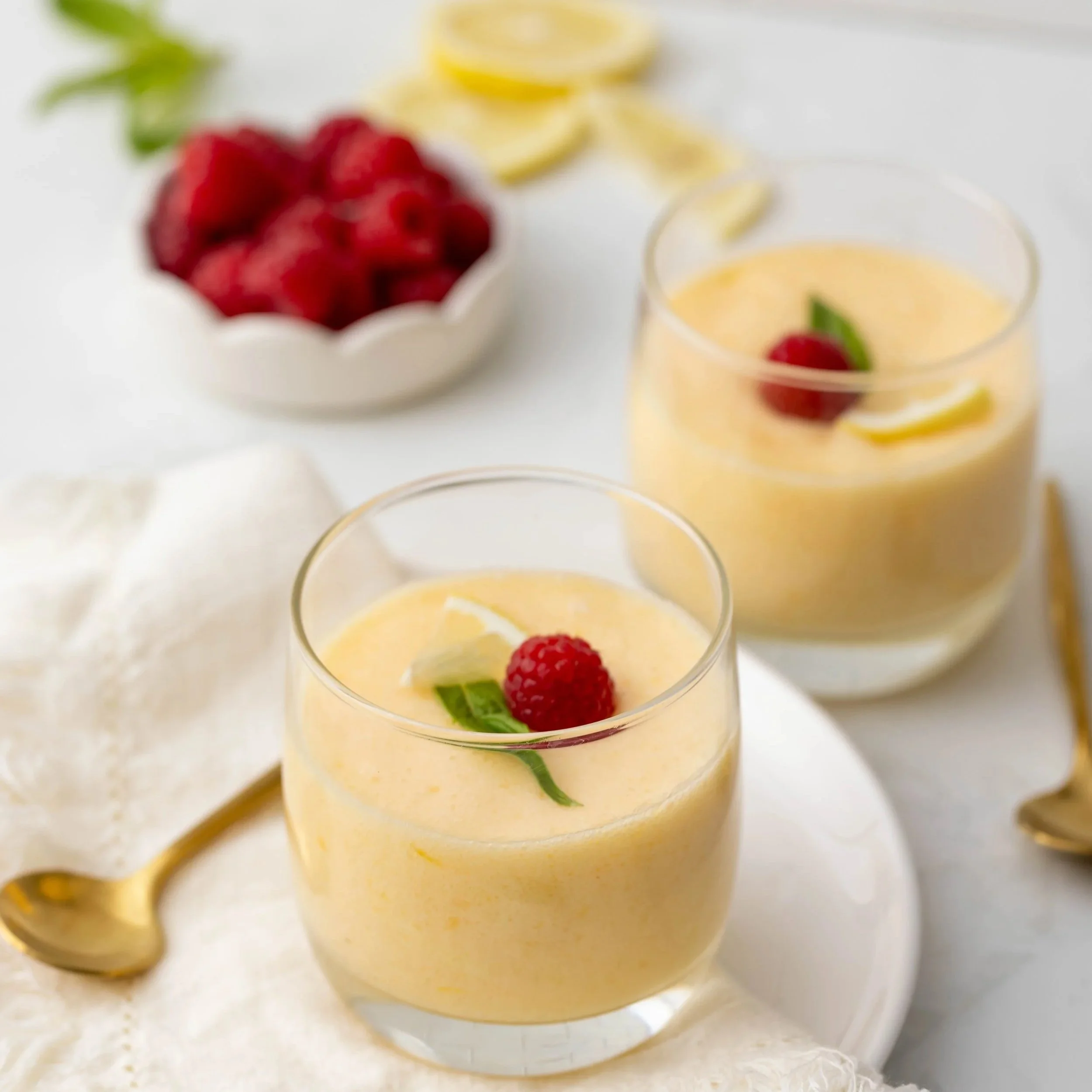
Lemon Mousse (lactose‑free). Light, refreshing, and easy to portion into small cups for a drinks‑and‑nibbles event.
Final Thoughts
Remember you’re not being fussy or demanding. You’re managing a condition that affects your comfort and quality of life.
Most friends want to support you - they just need a simple roadmap. Give them the basics, offer teamwork, and bring a backup option if needed.
And most importantly, enjoy the party!
Written by: Noisy Guts co-founder Dr Mary Webberley. Mary has a background in biology, with two degrees from the University of Cambridge and post-doctoral research experience. She also has a love of good food and value spending time with friends.