
Forget Fibre-maxing: here’s what gut scientists are actually excited about.
[5 min read]
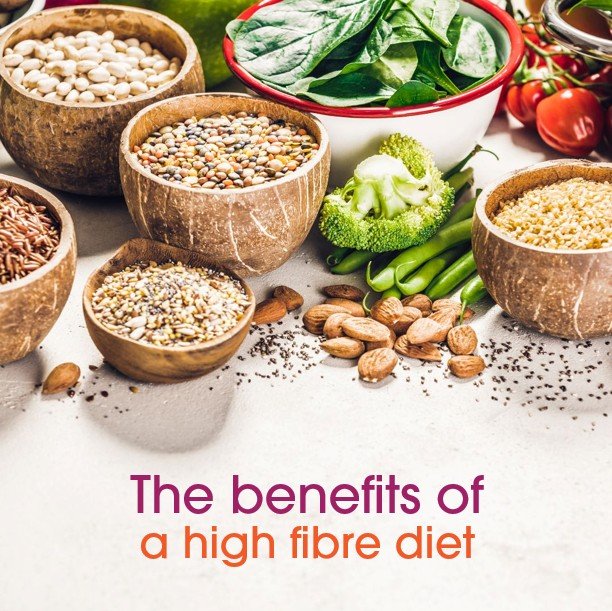
If you've spent any time on social media lately, you've probably seen the term "fibre-maxing." The idea is simple: eat as much fibre as possible to improve your gut microbiome. Given that the ABS reports that only 4% of Aussies are eating 2 fruit & 5 veg per day, it’s reasonable to conclude that most of us are not eating enough fibre (around 25-30g fibre per day). While it's true that dietary fibre plays an important role in supporting gut health (you can read our blog about the benefits of fibre here), the conversation online often makes it sound like MORE is always BETTER. But for many people with IBS, bloating or sensitive digestion, it’s not that simple.
So what are gut researchers actually excited about?
A recently published review in the journal Gut looked back over the past decade of microbiome research and asked an important question: what have we really learned about the gut microbiome and where is the science heading next?
We've learned an enormous amount…
Ten years ago, the gut microbiome was often described as the "new frontier" in medicine. Researchers knew that trillions of microbes lived inside our digestive tract, but most studies simply described which bacteria were present in people with conditions like inflammatory bowel disease (IBD), colorectal cancer or liver disease. In other words, scientists could observe differences but they couldn't yet explain what those differences meant.
Fast forward to today and the field has changed dramatically.
Researchers can now examine not only which microbes are present, but also what they're doing, how they're interacting with each other, the compounds they're producing and how they influence our immune system, metabolism and overall health. These advances have been made possible through sophisticated technologies that allow scientists to study the microbiome in far greater detail than ever before.
But…there's still plenty we don't know
One of the most important messages from the review is that the science is still evolving. Although microbiome research has exploded over the past decade, researchers are urging caution about jumping to conclusions. In particular, the authors highlight concerns around the growing number of commercial microbiome tests available to consumers. Many companies now promise to analyse the gut bacteria in your poop and provide personalised nutrition advice based on the results. It sounds so impressive. I know I’ve been tempted in the past. But the problem is that, in many cases, the evidence simply isn't strong enough to support those recommendations.
Scientists still don't have a universally accepted definition of what a "healthy microbiome" looks like. In fact, healthy people can have remarkably different gut microbiomes. That's why interpreting a single stool sample is far more complicated than many social media advertisements suggest.
Your microbiome isn't broken
This latest review highlights that IBS remains a highly complex condition with different subtypes including diarrhoea-predominant (IBS-D), constipation-predominant (IBS-C) and mixed IBS (IBS-M). Each subtype may have its own unique microbial signature, making it difficult for researchers to determine exactly which changes in the gut microbiome are causing symptoms, and which are simply a result of diet, bowel habits or other factors such as stress and anxiety.
This complexity also helps explain why there's no one-size-fits-all treatment.
The review discussed how faecal microbiota transplantation has shown promising results in some clinical trials, but not in others, suggesting that factors such as the type of IBS, the characteristics of the donor microbiome and the way the treatment is delivered all influence whether it works.
Perhaps one of the most interesting findings is that researchers are beginning to identify different microbiome patterns that may predict who responds best to treatments such as the Low FODMAP diet. This raises the possibility that, in the future, IBS management could become much more personalised, with treatments tailored to an individual's symptoms, gut microbiome and dietary needs rather than relying on a single approach for everyone.
For now, however, the message from researchers is clear: IBS is not one condition with one solution. That's why working with a healthcare professional and taking an individualised, evidence-based approach remains the best strategy.
So where does fibre fit in?
This brings us back to fibre-maxing. Fibre is important because many beneficial gut bacteria ferment certain fibres to produce compounds called short-chain fatty acids, which help support the health of the gut lining. But that doesn't mean we should all dramatically increase our fibre intake overnight.
For people with IBS, a sudden increase in fibre, particularly certain fermentable fibres, can lead to bloating, abdominal pain, cramping and changes in bowel habits.
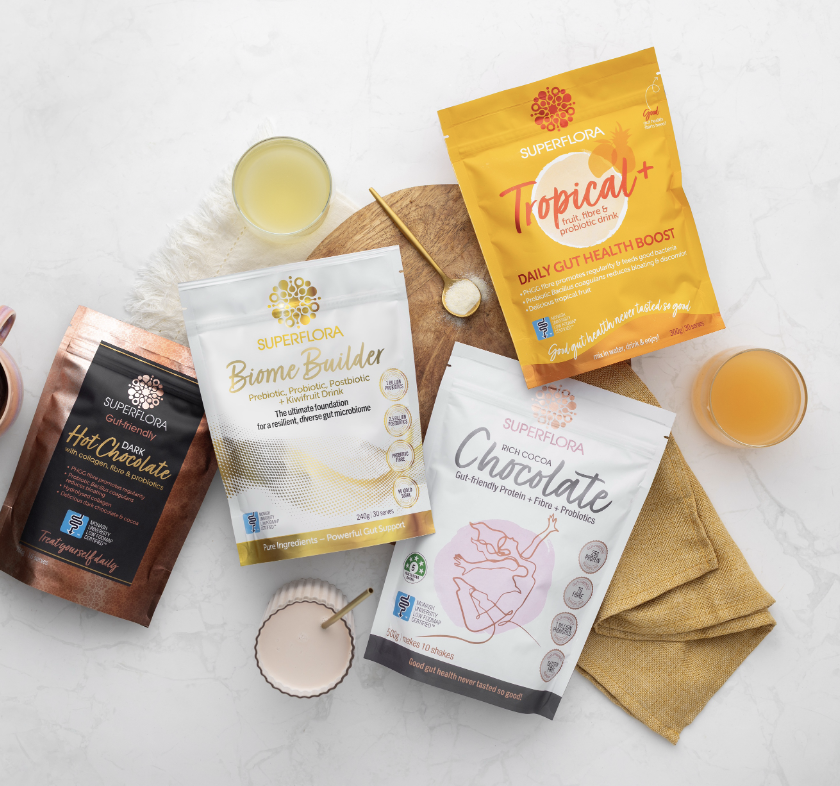
That's why we always recommend increasing fibre gradually and choosing low fodmap fibre sources that are well tolerated. Our Superflora fibre drinks contain very carefully selected gentle fibre that isn’t rapidly fermented. And you’ll notice on the instructions that we suggest a cautious approach by suggesting starting with a half serve and building gradually. Increase your fibre at a rate that you and your gut microbiome can cope with.
The biggest takeaway
Perhaps the most important message from this landmark review is that gut health is becoming increasingly evidence-based. Researchers are calling for larger, higher-quality clinical studies, better understanding of what defines a healthy microbiome and stronger scientific evidence before new microbiome tests or treatments become routine clinical practice. That's good news for consumers. It means future recommendations will be based on rigorous science rather than marketing hype.
What can you do today?
While scientists continue to unlock the complexities of the gut microbiome, there are already several evidence-based habits that can support digestive health:
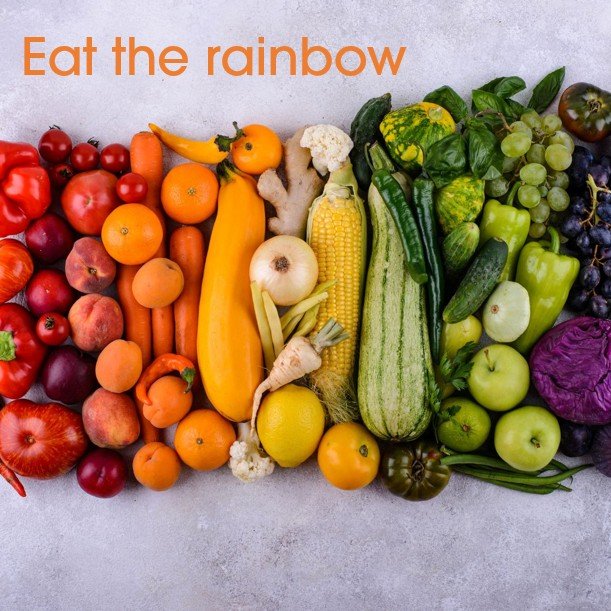
Eat a variety of foods that you tolerate well. If you need kitchen inspo, check out our free library of low fodmap recipes here. We bet you’ll find your new favourite recipe and lots of different ways you can eat the rainbow.
Increase fibre gradually rather than all at once. A really easy and delicious way of doing this is by adding our Dark Hot Chocolate as an after-dinner treat. It contains 5.4g of low fodmap prebiotic fibre & 1 Billion CFUs of Bacillus coagulans MTCC 5856.
Stay well hydrated. When you increase your fibre, increase your water intake at the same time.
Be physically active most days. Need something to do indoors to avoid the rain? Try our free online yoga class.
Prioritise sleep.
Manage stress where possible.
Speak with a healthcare professional before spending money on expensive microbiome testing.
The gut microbiome is one of the most exciting areas of medical research, and we're learning more every year. But if there's one lesson from the past decade, it's this: your gut doesn't need the latest internet trend. It needs consistent, evidence-based care.
And that's something worth building: one meal, one habit and one day at a time.

Want to read the paper yourself:
Blog written by: Dr Josephine Muir is the co-founder of Noisy Guts and has lived with IBS for more than 20 years. When she's not reading the latest gut health research, she’s usually spending time with her family, two dogs and one very patient cat. As someone who lives with IBS, she's passionate about helping others navigate digestive health with practical, evidence-based advice.