
Flossing, Fascia & Fibre:
Which Social Media Gut Health Trends Actually Work?
Your Instagram feed is lying to you. Well, partially. Between the "life-changing" nerve flossing videos and those targeted ads promising fascia release will cure everything from gut health, nervous system deregulation to menopause, it's hard to know what's legitimate science and what's expensive snake oil. This week, we're fact-checking 3 viral health trends with actual research. Spoiler alert: one might surprise you.
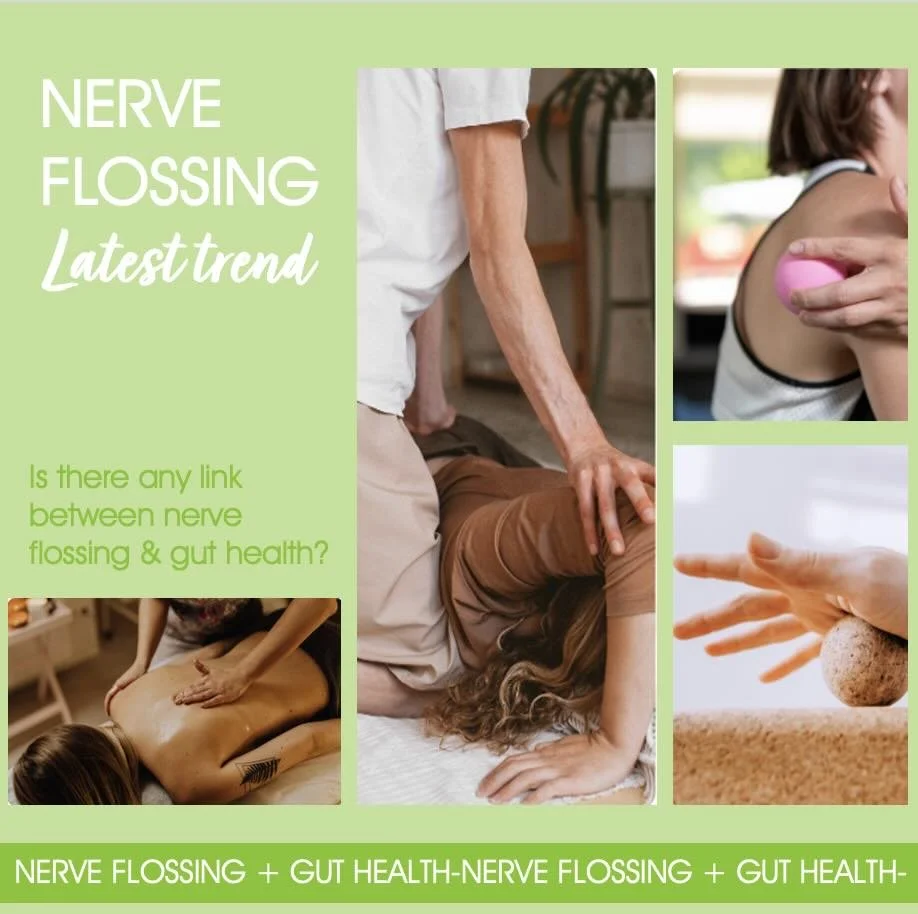
Trend #1: Nerve Flossing
The Vagus Nerve Connection Nobody's Talking About.
Nerve flossing (or neural mobilisation) isn't new - physiotherapists and chiropractors have used it for decades. I was introduced to the concept by online running coach Lawrence van Lingen and you know how it goes – click on one social media post and the algorithm sends you a thousand more. Now I’m inundated! From what I’ve read, nerve flossing involves gentle exercise techniques designed to help irritated, compressed nerves.
But here's where it gets interesting for gut health: your vagus nerve. The vagus nerve, your body's longest cranial nerve, directly connects your brain to your gut, controlling everything from stomach acid production to intestinal motility. While traditional nerve flossing focuses on peripheral nerves, some techniques may indirectly stimulate the vagus nerve. And that could have gut health benefits.
The Science: A 2020 study found that vagus nerve stimulation improved symptoms in 46% of IBS patients. However - and this is crucial - this was electrical stimulation, not physical manipulation. Currently, there are ZERO peer-reviewed studies directly linking nerve flossing exercises to improved gut health or IBS symptoms. A 2022 systematic review into neural mobilisation identified pain improvement results compared with other treatment techniques including exercises, ultrasound, splint, placebo and manual therapy but the evidence was low to moderate with limited application to the vagus nerve. Yes, new studies confirm that the vagus nerve is at the interface of the gut-brain axis and that stimulating it could restore homeostasis but… there’s no peer reviewed clinical data that demonstrates that nerve flossing is the way to achieve this.
Verdict: Possibly helpful for general nervous system health, but claiming it directly improves gut function? That's a stretch (pun intended).
Trend #2: Fascia release
The $200 foam roller?
Those social media ads targeting tired, sore, menopausal women with promises of transformation through fascia release? They're everywhere. But what exactly is fascia and can releasing it impact your gut?
Fascia is connective tissue surrounding muscles and organs, including your intestines. The theory: "releasing" fascial restrictions improves organ function, reduces inflammation and improves gut motility.
The Science: A 2021 systematic review found limited evidence that fascial manipulation provides benefits beyond standard massage or stretching. There is a small but growing number of studies focussing on fascial therapy and gut health (specifically gastroesophageal reflux) but the evidence is poor. One small study showed visceral manipulation (which includes fascial work) provided temporary IBS relief, but results weren't superior to standard physiotherapy.
Verdict: Save your money (for now). A $20 foam roller provides similar benefits to expensive fascia programs, and neither specifically targets gut health beyond stress reduction (- although I’d never NOT recommend a massage!)
Trend #3: Fibre
The Unsexy Solution That Actually Works
While influencers push nerve techniques and fascia tools, they're ignoring the most evidence-based gut health intervention: fibre. It’s not sexy but it’s backed by more scientific data than almost anything else in nutrition.
In one of the largest analyses in nutritional science (185 prospective studies + 58 clinical trials), higher fibre intake was associated with:
15–30% lower all-cause mortality
Lower rates of heart disease, stroke, type 2 diabetes and colorectal cancer
Improvements in body weight, blood pressure and cholesterol
And here’s the kicker: benefits accelerated once people hit around 30g per day. The majority of Australians are under-consuming fibre and when it comes to IBS sufferers, many are actively avoiding it out of fear. But here's the plot twist - not all fibre is created equal.
The Science: Dietary fibre is now understood to play a significant role in the modulation of gut microbiota, stool consistency and overall metabolic function. A landmark 2024 meta-analysis of 27 studies confirmed that soluble, low-FODMAP fibre significantly improves IBS symptoms. Specifically:
Psyllium husk reduced symptom severity by 45% in IBS-C patients
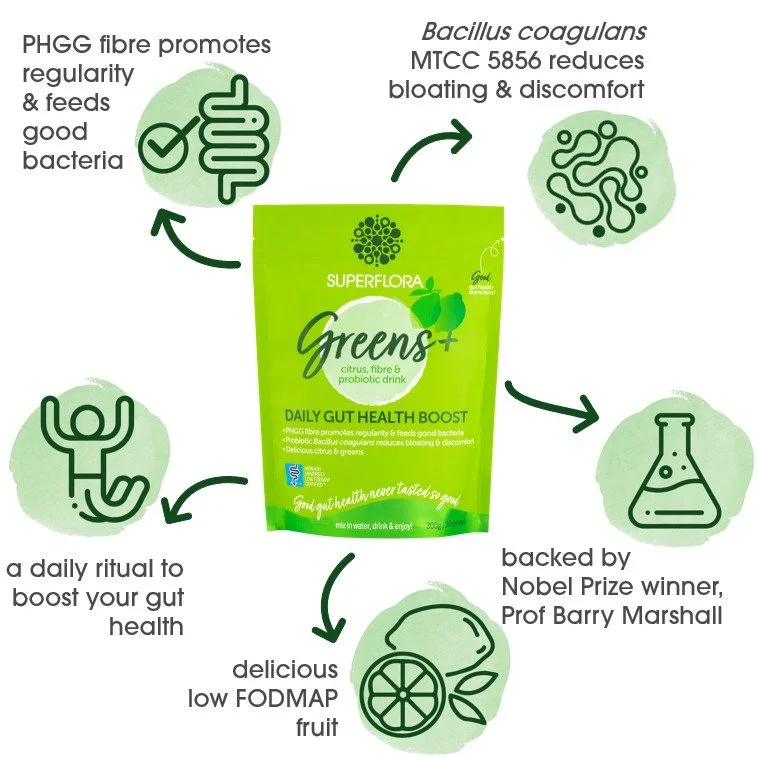
Partially hydrolysed guar gum (PHGG) improved bloating without triggering symptoms
Acacia fibre shows promise in both IBS-C and IBS-D in emerging research
The key? Slow introduction, choosing low-FODMAP fibres and increasing water intake at the same time. And time for a shameless plug - try our certified low fodmap gut health products! They all contain prebiotic PHGG fibre + probiotics so you can reach your fibre target gently and safely.
Verdict: Unsexy but effective. The right fibre, introduced correctly, has more scientific support than any trending technique.
The Gut-Brain Plot Twist
Here's what social media won't tell you: all three trends touch on the gut-brain axis, but only one delivers measurable results. While nerve flossing might indirectly calm your nervous system (potentially benefiting stress-related IBS) and fascia release might feel good (yes please, I’d love a massage!), fibre actually feeds beneficial bacteria that produce short-chain fatty acids, directly impacting gut-brain communication.
Your Evidence-Based Action Plan:
Skip the expensive programs: Basic stretching and yoga provide similar nervous system benefits to trendy nerve flossing, with added stress reduction proven to help IBS. Of course, the caveat is that you should choose a stress reduction technique that works for .you. If that’s nerve flossing, then go for it! But don’t let social media convince you that it’s more effective than a walk in the park
Invest in basics: Instead of $200 fascia programs, try a foam roller ($20) for general muscle tension, but don't expect gut miracles.
Start with science: Introduce low-FODMAP fibre to your daily routine. Increase gradually every week until you reach 10-15g daily or notice symptom improvement. Looking for a short cut? Try Superflora protein shakes, boosts or functional hot chocs.
The bottom line? Your gut doesn't care about Instagram trends. It responds to consistent, evidence-based interventions. While nerve and fascia work won't hurt (your wallet aside), the unsexy solution - appropriate fibre supplementation - remains your best bet for measurable improvement.
Blog written by: Noisy Guts co-founder Dr Josephine Muir, long-time IBS sufferer.
References:
Ellis RF, Hing WA. Neural mobilization: a systematic review of randomized controlled trials with an analysis of therapeutic efficacy. J Man Manip Ther. 2008;16(1):8-22. doi: 10.1179/106698108790818594. PMID: 19119380; PMCID: PMC2565076.
Black CJ, Yuan Y, Selinger CP, Camilleri M, Quigley EMM, Moayyedi P, Ford AC. Efficacy of soluble fibre, antispasmodic drugs, and gut-brain neuromodulators in irritable bowel syndrome: a systematic review and network meta-analysis. Lancet Gastroenterol Hepatol. 2020 Feb;5(2):117-131. doi: 10.1016/S2468-1253(19)30324-3. Epub 2019 Dec 16. PMID:
Bonaz B, Bazin T, Pellissier S. The Vagus Nerve at the Interface of the Microbiota-Gut-Brain Axis. Front Neurosci. 2018 Feb 7;12:49. doi: 10.3389/fnins.2018.00049. PMID: 29467611; PMCID: PMC5808284.