
Spring 2026: What’s in Season for a Low Fodmap Diet?
Spring has arrived and if you’ve been wandering through the fruit and vegetable aisle lately, you’ll know what that means: strawberries, asparagus, passionfruit, oranges, leafy greens… and A LOT of apples. Which sounds fantastic if you love fresh fruit & veg. But if you’re following a low fodmap diet, spring can also bring a few surprises. Because “in season” doesn’t automatically mean “eat as much as you like”.
Apples are a perfect example. There are so many varieties in season right now. They’re plentiful, delicious and nutritious! But apples contain both excess fructose and sorbitol, so the amount you eat matters if you have IBS. Monash University lists a small low fodmap serving for apple (20-27g, depending on the variety), rather than giving apples a blanket “off limits” status. And this is an important part of understanding the low fodmap diet: a food can be high fodmap at one serving size and low fodmap at another. So rather than saying goodbye to apples altogether, I’m constantly thinking about how to use a small amount of apple so I don’t miss out all together. And I’m currently in LOVE with my new low fodmap apple turnover recipe so keep an eye on our socials for this.
In the meantime, we’ve looked at the seasonal produce appearing in markets this spring and matched it with the latest serving-size information from the Monash Fodmap App, so you can make the most of what’s fresh without unnecessarily restricting your diet. Remember: serving size matters. The Monash Fodmap App provides serving-size-specific information and individual tolerance varies. If you're in the elimination phase of the diet, stick to the recommended green serves and work with a fodmap-trained dietitian where possible to test your individual tolerance levels so you don’t unnecessarily restrict your diet.
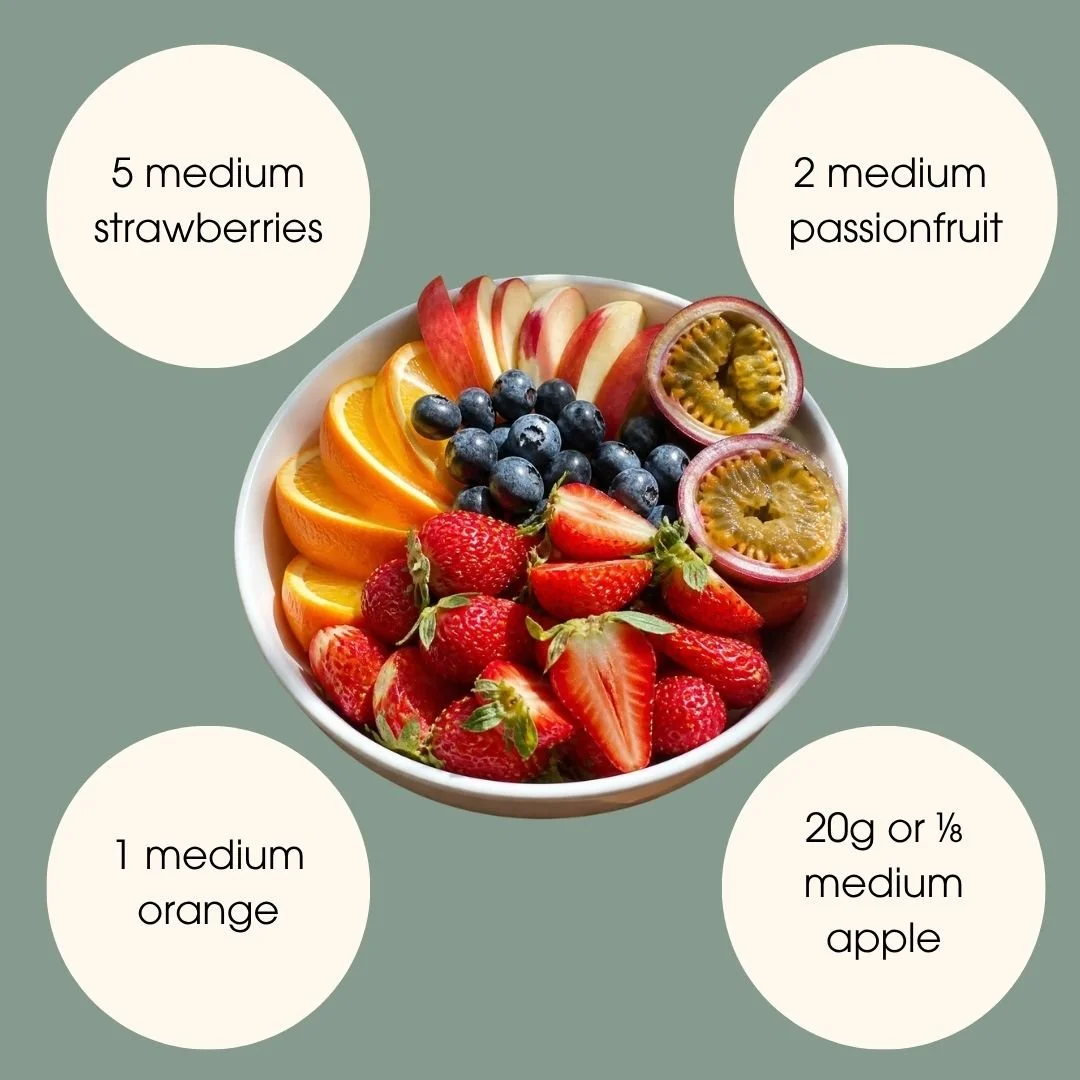
Low Fodmap Spring Fruits (with serving sizes)
🍓 Strawberries
Spring means strawberries and we’re not complaining. Strawberries are a great low fodmap option and are incredibly versatile. Eat them fresh, add them to breakfast, blend them into a smoothie or turn them into dessert. Try our Strawberry Chia Pot for breakfast, or keep things very simple with strawberries dipped in dark chocolate.
🍎 Apples: very small serve, big potential
Apples are hard to ignore in Spring. They’re everywhere and there are SOOOO many new varieties. And yes, I get that the recommended low fodmap serving size of red and green apples is ridiculously small but I’m just not willing to banish them from the menu. Sometimes it’s worth finding a way to work with what you can. For me, this usually means sharing my apple with someone in the family, adding sliced apple to salads so I can eat a low fodmap serving size without wastage and/or coming up with recipes that allow me to enjoy a low fodmap serving of apple while letting the family pig out. Keep an eye out on our socials for my new apple turnover recipe!
🍊 Oranges & other citrus
Oranges are another spring staple and a useful low fodmap fruit to have on hand. Enjoy them on their own, add segments to salads or use the juice and zest to brighten up savoury dishes - like this one spinach, orange and roasted red pepper salad. Sadly, blood oranges contain excess fructose so the serving size is reduced to ½ a medium-sized orange (65g). Mandarins, tangelos, lemons and limes are also useful spring ingredients (just wish my neighbour’s lemon tree was more bountiful!!)
💜 Passionfruit
Passionfruit brings an enormous amount of flavour for a very small amount of fruit. Scoop it over lactose-free yoghurt, add it to overnight oats, swirl it through a chia pudding or use it to brighten up a smoothie bowl. It's one of our favourite ways to make a simple breakfast feel a little bit fancy.
🫐 Blueberries
Blueberries are another easy spring option. Add them to porridge, yoghurt, smoothies or baking or simply eat them by the handful. If you’re looking for blueberry inspiration, try our Blueberry Burst Smoothie or Blueberry Chia Pot recipes.
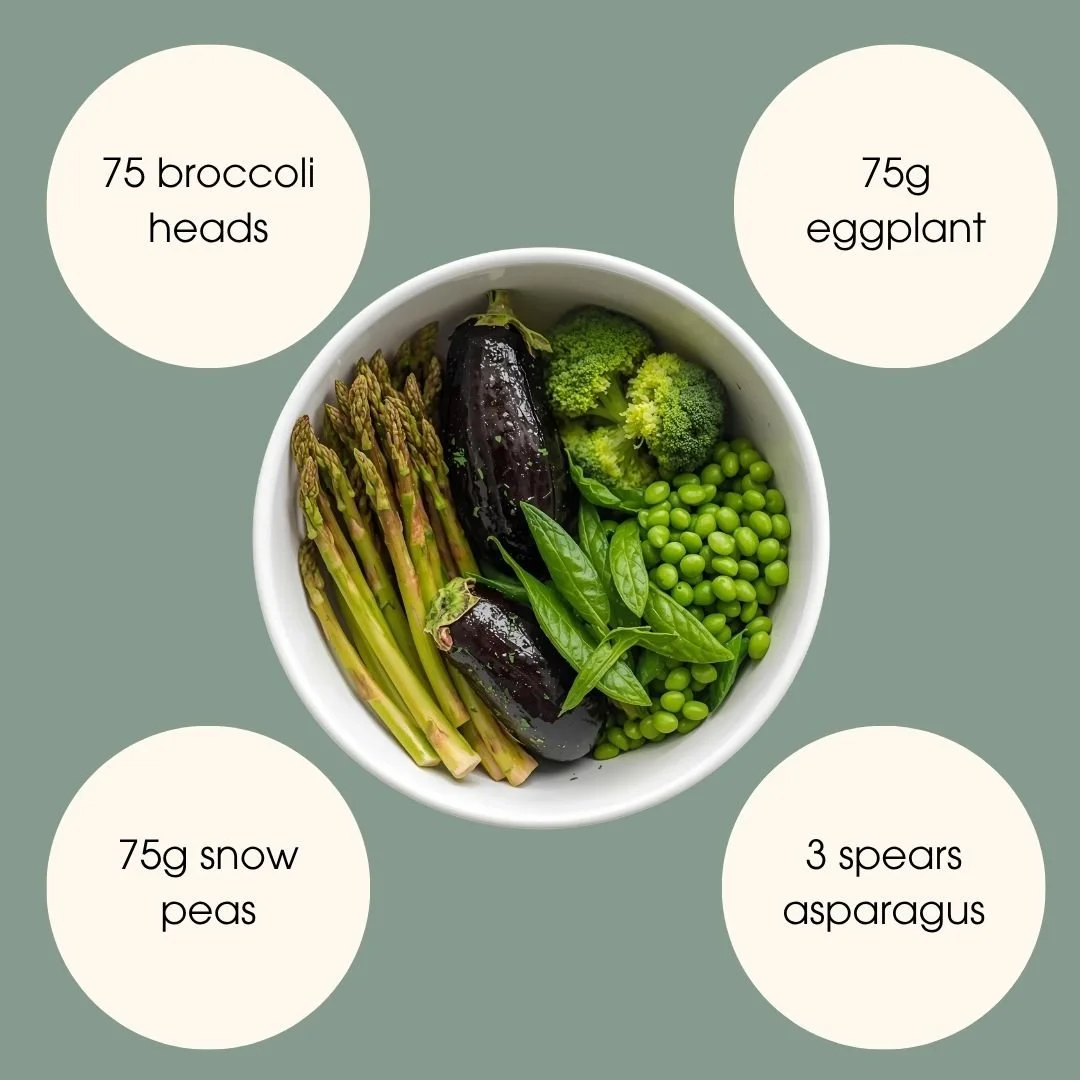
Low FODMAP Spring Vegetables (with Serving Sizes)
🌱 Greens
Asparagus is back in season and the amount you can tolerate on a low fodmap diet may be more generous than you remember after it was updated last year. In other good news, seasonal eggplant (75g), lettuce, broccoli (heads only, 75g) and snow peas (75g) can be enjoyed by fodmappers.
Spring veggies that are widely available at farmers’ markets across Australia at this time of year but are restricted on the low fodmap diet are zucchinis (67g is the recommended low fodmap serving size), celery (51g), cauliflower (75g) and broad beans (21g). But just because the low fodmap serving size is SMALL, it doesn’t mean you should avoid these veggies all together. Why not try our roasted cauliflower recipe as a shared plate? There’s almost always a way of incorporating a higher-fodmap veggie into a family meal without causing a blow out.
Final Word
Eating seasonally while following a low fodmap diet doesn't have to mean filling your shopping trolley with the same five fruits and vegetables every week. Instead, think variety + serving size.
Buy what's fresh. Check the Monash Fodmap and/or Fodmap Friendly Apps for current serving information. Use smaller amounts of foods that have smaller low fodmap serves, and don't forget that your tolerance may change as you move through the different stages of the diet.
And perhaps most importantly: don't confuse “high FODMAP” with “bad food”.
A food being high fodmap doesn't make it unhealthy. It simply means it may contain enough of a particular fermentable carbohydrate to trigger symptoms in some people with IBS at a particular serving size.
So this spring, we're going to eat the strawberries, roast the asparagus, pile our plates with colourful vegetables…and find some clever ways to use those apples, too. 🍎 Are you ready to hit your daily 2 fruit + 5 veg target this week?
Happy spring shopping and even happier eating,
The Noisy Guts Team 💚