
Top Tips to Build a Healthy Microbiome
Our gut microbiome refers to the ecosystem of micro-organisms that live in our digestive system. Depending on who’s doing the counting, there are over 37 trillion and 5,000 species of microbes weighing approximately 2 kilograms, living mainly in our lower intestines.
Scientists are still working out exactly what lives in our gut and what precise role each species plays.
However, research has shown that the effects of the microbiome impact our gut and beyond.
The balance between ‘good’ and ‘bad’ micro-organisms in our gut is implicated in better weight management, heart health and mental health. When the microbiome becomes unbalanced the gut barrier is compromised. This means that bacteria can “leak” into the bloodstream triggering your immune system leading to inflammatory effects.
The good news? You can shape the ecosystem in your gut every single day through simple, practical habits. Here are the top evidence‑based ways to build a healthier, more diverse microbiome.
Eat Diverse Plant Foods
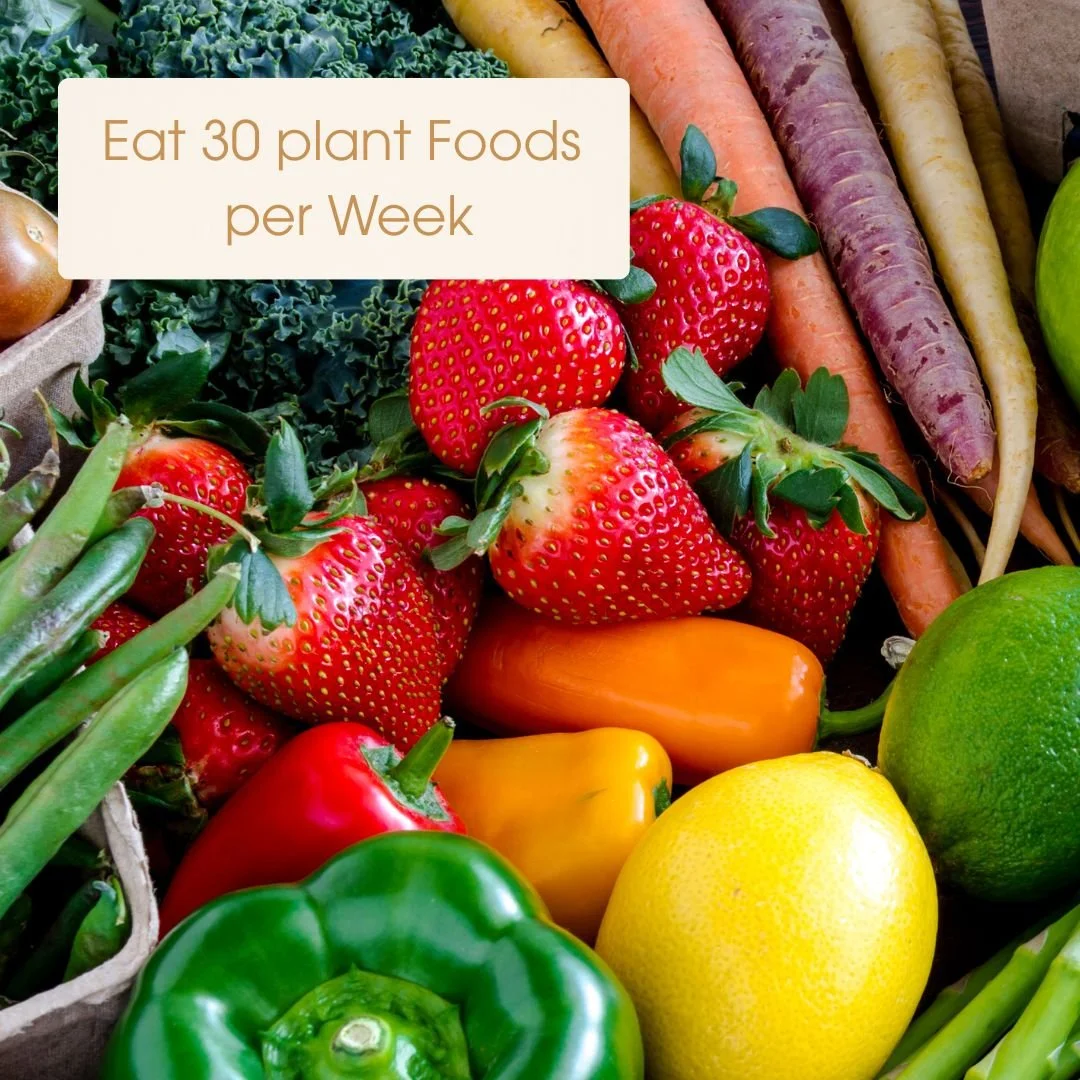
One of the strongest predictors of microbiome diversity is how many different plant foods you eat.
One of the strongest predictors of microbiome diversity is how many different plant foods you eat.
A helpful target is 30 different plants per week, and yes, herbs, spices, nuts, seeds, legumes, fruits, vegetables, and whole grains all count. Each plant contains unique fibres, polyphenols and other plant chemicals that feed different beneficial bacteria.
For example, leafy greens are rich prebiotic fibre and the sulfur-containing sugar called sulfoquinovose which support Bifidobacteria, Lactobacilli, and protective strains of Escherichia coli.
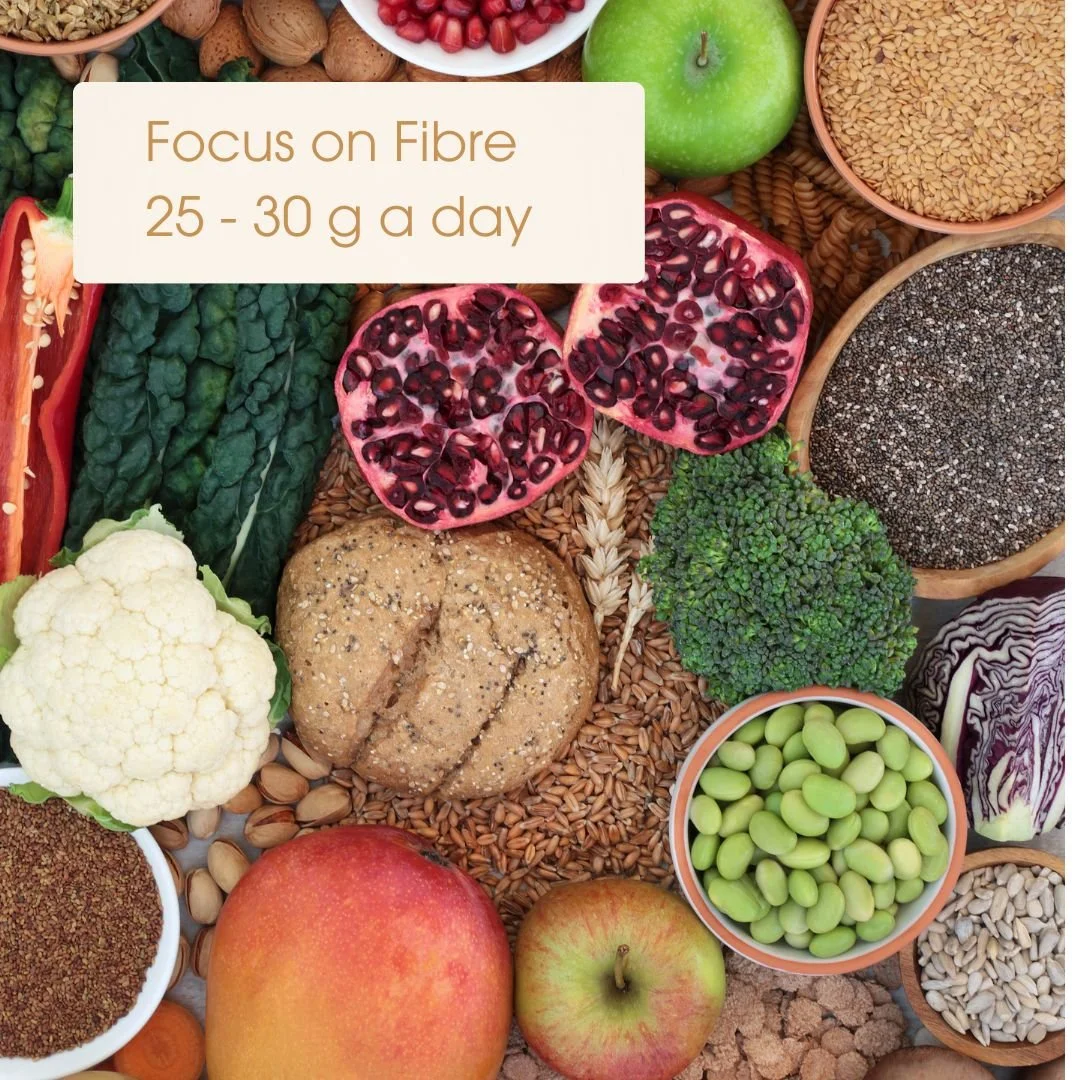
Fibre is the real hero here.
Aim for around 30 grams per day, focusing on gentle, low‑FODMAP options if you’re sensitive. Think oats, nuts, seeds, firm tofu, quinoa, and small portions (¼ cup) of legumes. The fibre acts as fuel for your gut microbes, helping them produce short‑chain fatty acids like butyrate, which support gut barrier integrity and reduce inflammation. Find more sources of low- FODMAP fibre on our Best Ever Poop page.

Polyphenols are another quiet powerhouse.
Foods like berries, dark chocolate, green tea, olive oil, and colourful vegetables help beneficial bacteria grow and support a more resilient gut ecosystem. Pairing fibre and polyphenols is one of the most effective ways to nourish your microbiome. Kiwifruit is rich in both polyphenols and fibre - it’s a great low-FODMAP option. Aim for two daily, especially if you struggle with constipation.
Include Fermented and Prebiotic Foods
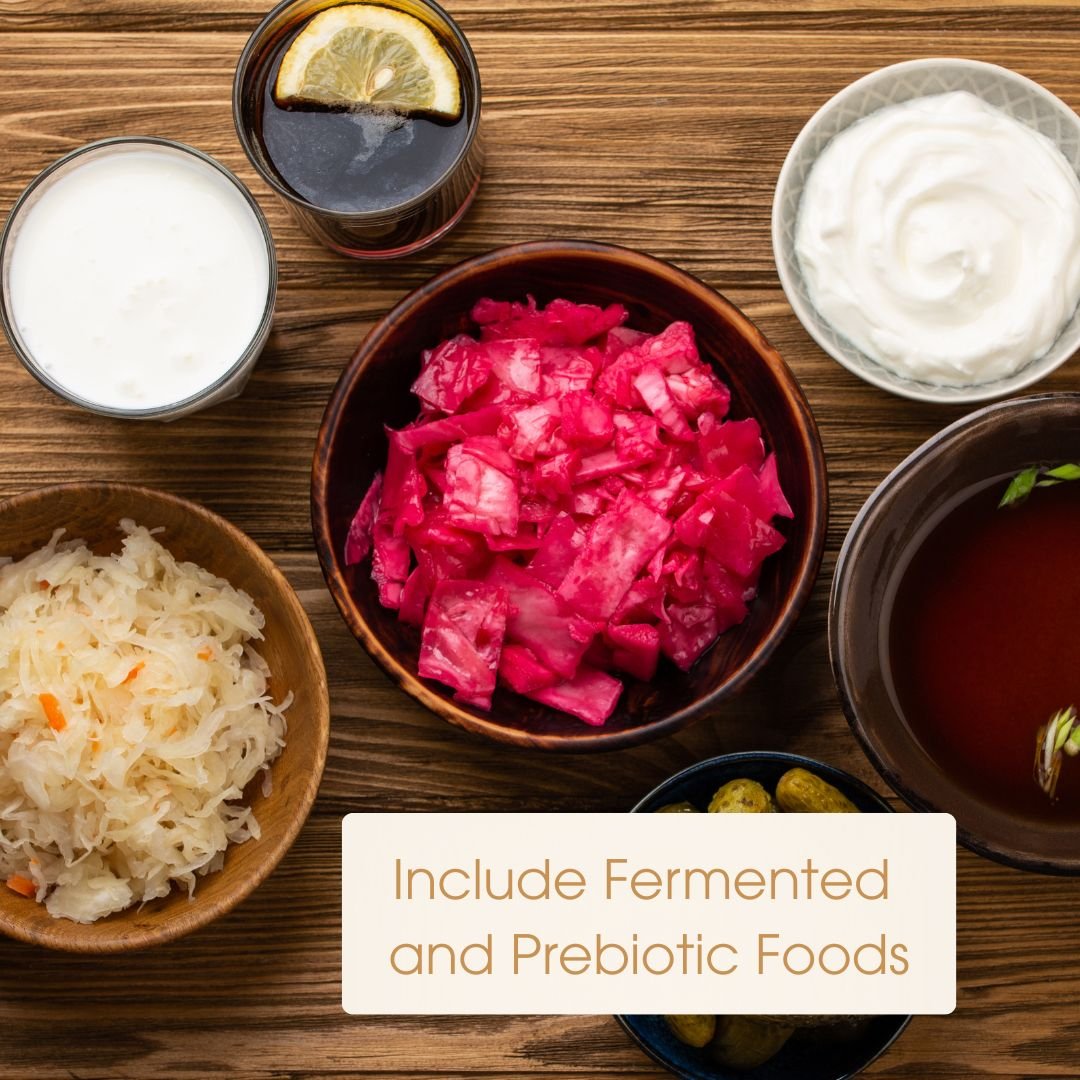
Fermented foods introduce live bacteria directly into your gut.
Options like lactose‑free yogurt, kefir, miso, sauerkraut, kimchi, and kombucha can help increase microbial diversity and support digestion. Even small daily servings make a difference…which means even a low-FODMAP serve is helpful. Check out our blog on fermented foods to find low-FODMAP serving sizes.
Prebiotic foods are just as important - they feed the good bacteria you already have. Think of prebiotics as fertiliser for your internal garden. Garlic, onions, leeks, asparagus, and Jerusalem artichokes are classics, but not an option if you are sensitive to FODMAPs. The good news is you can still get gentle prebiotic fibre from oats, chia seeds, firm bananas, and cooked and cooled potatoes or rice.
Add in a Probiotic or Postbiotic
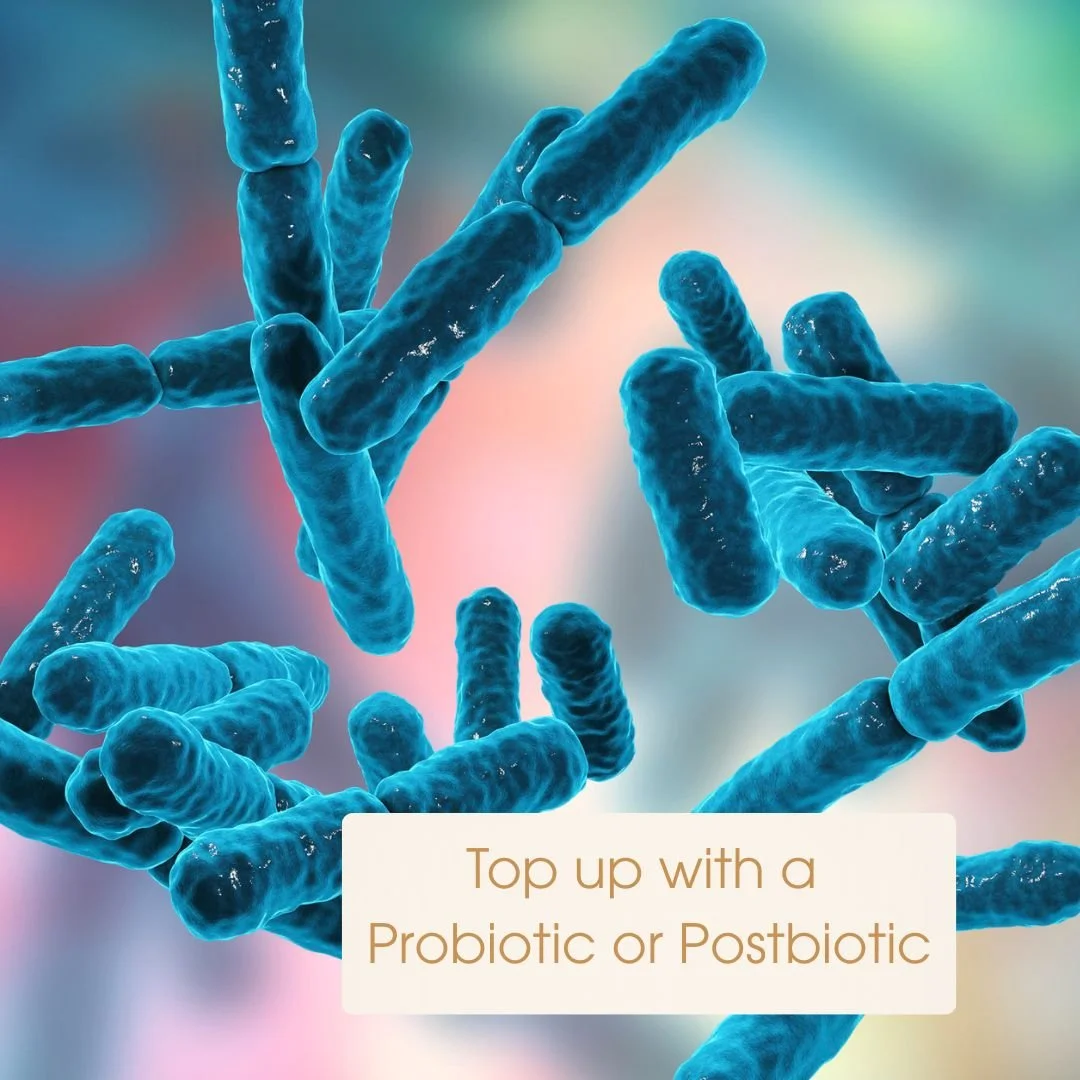
Probiotics are another way to top up the helpful live bacteria to your gut.
These can be especially useful after antibiotics, when beneficial strains may be depleted (see below). Some generate beneficial compounds such butyrate, vitamins, and bacteriocins that can destroy pathogens. Other probiotic species (including the Bacillus coagulans MTCC 5856 included in the Superflora range) cross‑feed other microbes by producing compounds like acetate and lactate that fuel butyrate‑producing bacteria. They don’t just have effects in the gut, components of their cell walls can signal to the immune system, and some strains produce metabolites that interact with the gut’s nervous system. Different probiotics have different effects so it is a good idea to choose a specific strain proven to help with your needs.
And remember from our previous blog, that some of the positive effects can live on after the probiotic is dead. Postbiotics (AKA ghost probiotics) can have positive effects since fragments of the cell walls, and the compounds they previously created remain bioactive.
Support Your Gut With Healthy Daily Habits

Your microbiome isn’t shaped by food alone. Lifestyle also plays a big role.
Move regularly. Just 20–30 minutes of moderate exercise a few times a week can improve gut motility, reduce inflammation, and increase beneficial bacteria.
Prioritise sleep. Poor sleep disrupts the gut-brain axis and can shift your microbial balance in the wrong direction. Aim for consistent, high‑quality rest.
Manage stress. Chronic stress alters gut bacteria and slows digestion. Mindfulness, meditation, breathing exercises, time in nature, or even listening to music can help regulate your nervous system and support your gut.
Avoid excess ultra‑processed foods. High‑fat fast food, added sugars, and artificial sweeteners can reduce beneficial bacteria and increase inflammation. You don’t need to be perfect — just build a pattern where whole foods dominate.
Migration Research
Some of the most striking examples of how diet shapes the microbiome comes from migration research.
Studies of migrants moving from environment with traditional, fibre‑rich diets to Western countries show rapid, measurable shifts in their gut microbiome. For example:
Research on South Asian migrants to Canada found that moving from a traditional diet to a Westernised, ultra‑processed pattern led to a loss of fibre‑fermenting Prevotella species and a rise in Bacteroides‑dominant communities, which are associated with metabolic dysfunction. These changes occurred quickly and continued over time as migrants adopted Western food environments.
A broader review of migrant health shows similar patterns: resettlement in industrialised nations leads to “microbiome acculturation,” where the gut rapidly adapts to Western diets high in processed foods, resulting in reduced microbial diversity and increased inflammation.
These findings highlight how strongly diet. especially low fibre, ultra‑processed foods, can reshape the microbiome, sometimes within months.
Use Antibiotics Only When Necessary
Antibiotics are essential when treating bacterial infections, but they also disrupt your gut microbiome by wiping out helpful bacteria along with harmful ones. Even a short course can reduce microbial diversity and shift your gut toward a less resilient state, sometimes for months. Overuse also drives antimicrobial resistance, making future infections harder to treat. Of course, this doesn’t mean avoiding antibiotics altogether. Follow your doctor’s advice, take them exactly as prescribed, and remember they don’t work for viral illnesses like colds or flu. Careful use protects both your microbiome and long‑term public health.
Conclusion
A healthy microbiome is built through nourishment, and daily habits that support your whole system. Small changes add up quickly. Start with more plants, more fibre, more fermented foods, and more rest, and your gut will thank you.
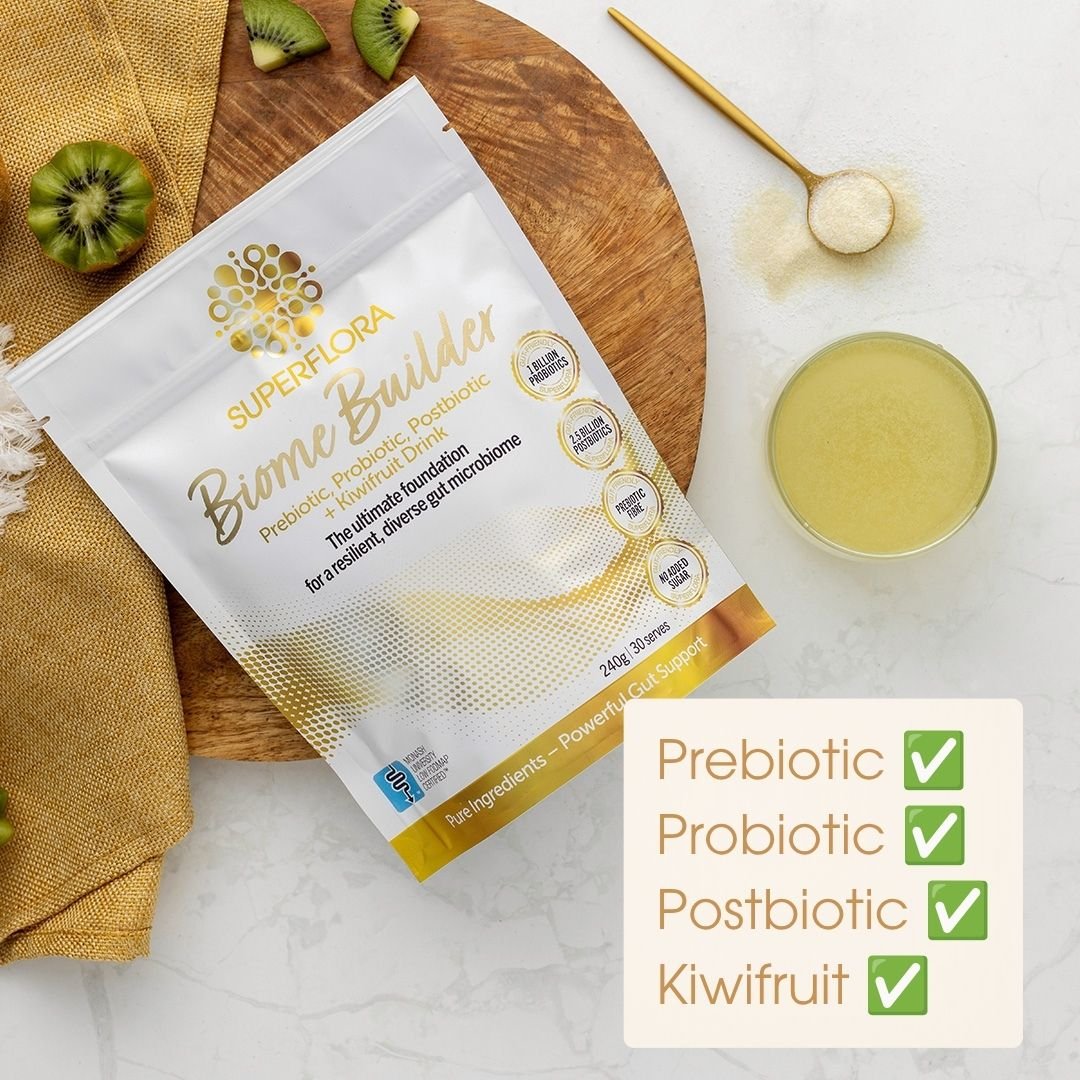
If you want a quick and easy habit that ticks many of the boxes above, try our Biome Builder.
If you want a quick and easy habit that ticks many of the boxes above, try our Biome Builder.
It provides a hit of prebiotic fibre from the PHGG, a probiotic and a postbiotic proven to help with IBS symptoms, and polyphenols from kiwifruit. It has no added sugar, or artificial sweeteners and still tastes delicious. You can stir it a glass of water or lactose-free yoghurt.
Written by: Noisy Guts co-founder Dr Mary Webberley. Mary has a background in biology, with two degrees from the University of Cambridge and post-doctoral research experience.
References:
Copeland JK et al. The Impact of Migration on the Gut Metagenome of South Asian Canadians. Gut Microbes. 2021;13(1):e1902705.
Fasipe B and Laher I (2026) Obesity and metabolic disease in migrants: a role for the gut microbiome?. Front. Clin. Diabetes Healthc. 6:1745885. doi: 10.3389/fcdhc.2025.1745885