
What is a Postbiotic?
You may have read that our new Biome Builder has a full biotic stack and wondered what that meant.
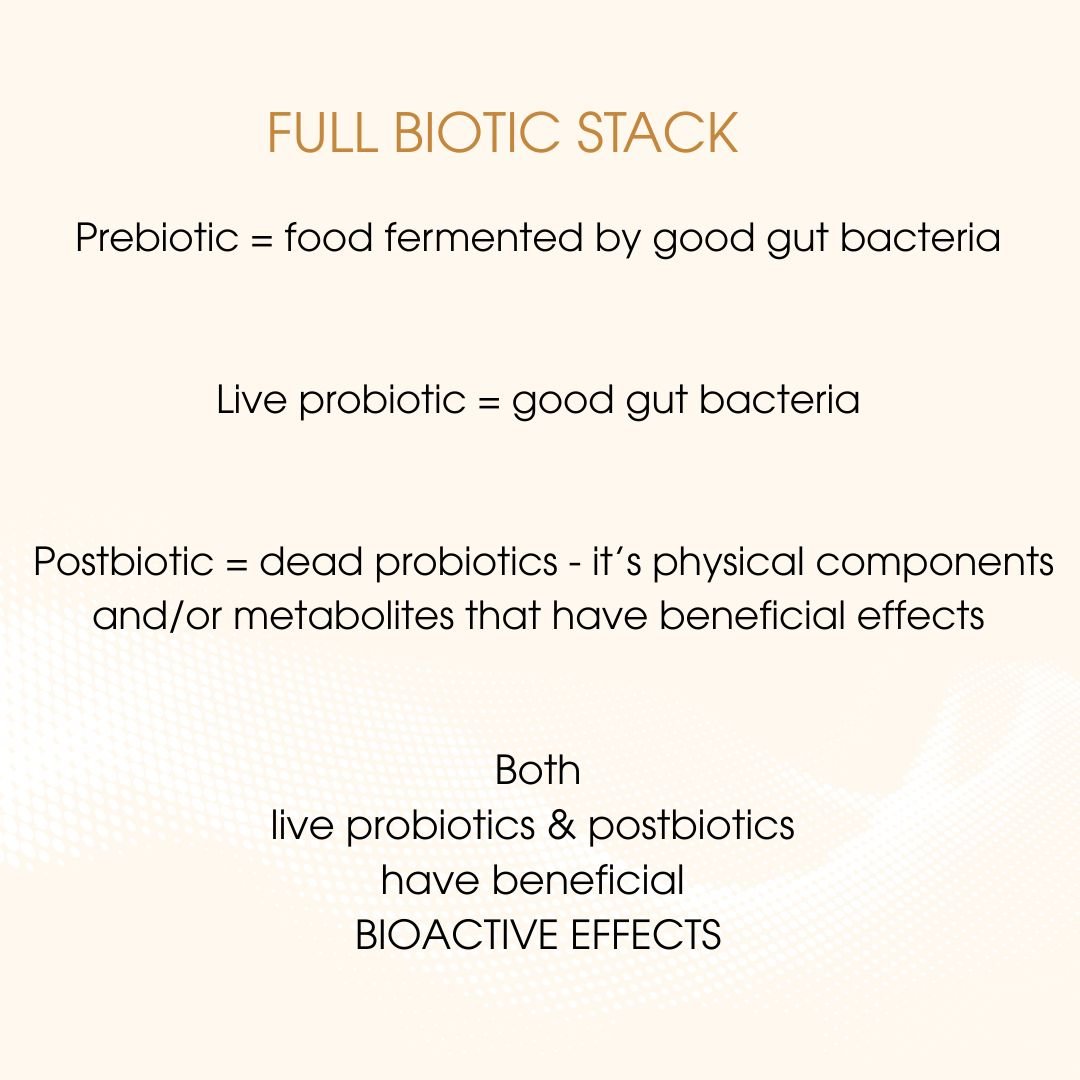
The Biome Builder includes prebiotic fibre PHGG (food for your good gut bacteria), and a probiotic Bacillus coagulans MTCC 5856 (beneficial live microbe), just like the rest of the Superflora range.
And it also includes a postbiotic.
This week’s blog explains what postbiotics are, the myriad of ways in which they can improve gut and overall health…and then goes into the specifics about the postbiotic, HT Bifidobacterium longum CECT 7347 (ES1) we selected for the Biome Builder.
We’ve gone quite heavy on the science in this one. If you want the quick summary - jump to the infographics at the end.
Postbiotic definition
A postbiotic is a preparation of inactivated (dead) microorganisms and / or their components or metabolites that still provide a health benefit to your body.
Compared with probiotics, postbiotics offer several advantages because they consist of inactivated microbes and their pre-formed metabolites.
Probiotics & postbiotics work in many ways
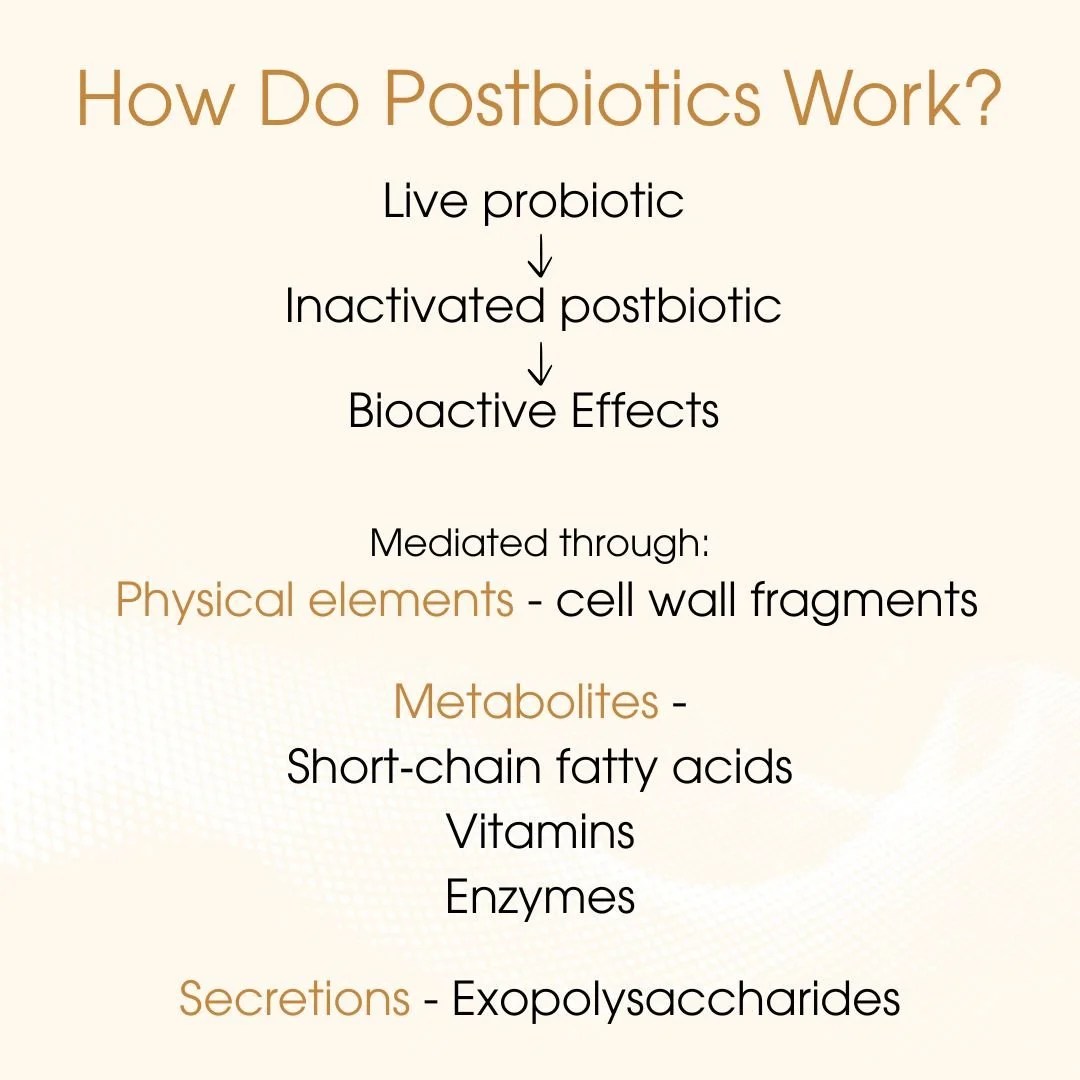
You may be confused about how a dead probiotic can still have beneficial effects. It helps to understand that live probiotics help our health in a lot of different ways.
Useful compounds
We often think of probiotics as being beneficial because they make useful compounds. And indeed, many do indeed produce useful metabolites. For example, some make vitamins and amino acids. Others ferment fibre into short chain fatty acids, like butyrate which has many positive effects across the body. Butyrate provides the main fuel source for the cells lining your large intestine.
Butyrate is also important for gut integrity; it tightens the intestinal barrier to help prevent unwanted substances from leaking into the body. And it helps regulatory T-cells to lower harmful inflammation keeping the immune system in balance. Another short chain fatty acid produced by gut microorganisms, propionate can improve insulin sensitivity and glucose tolerance and improve cholesterol levels.
Some produce proteins and exopolysaccharides that also help strengthen the gut barrier.
Promoting good gut bacteria
Other probiotics have slightly less direct effects, for example by producing compounds that promote other beneficial bacteria, for example Bacillus coagulans MTCC 5856 creates a slightly more acidic environment that promotes Bifidobacteria and Lactobacillus species and wards off pathogens.
Cross-feeding
Some probiotics cross-feed beneficial bacteria, e.g., by breaking down starches into acetate and lactate, which butyrate producers then use to manufacture butyrate.
Signalling via the immune and nervous systems
Others have physical or structural properties that signal changes in the rest of the microbiome or our own bodies. For example, the peptidoglycans from the cell wall may interact with our immune system to reduce inflammation.
Some microorganisms in the gut microbiome produce neuroactive compounds that can act on both the local gut-based enteric nervous system and the central nervous system.
Blocking the baddies
Similarly, probiotics can attach to receptors found on the walls of the gut and block the attachment of harmful bacteria. Others produce bacteriocins with anti-microbial properties. Both mechanisms positively influence the overall make-up of the microbiome.
Bioactive compounds persist in the postbiotic mix
When the probiotics are inactivated into postbiotics they can still have these beneficial properties. e.g., fragments of the cell wall remain and can still attach to receptors to modulate the immune or nervous system or block pathogens. Similarly, provided the deactivation process (drying or heating) is done carefully, the protein and exopolysaccharides, vitamins or amino acids and cross-feeding chemicals produced by the bacteria can remain in the culture mix.
They are inactivated in the sense that they are no longer alive and reproducing, but fragments of the cells and the compounds they previously made remain bioactive.
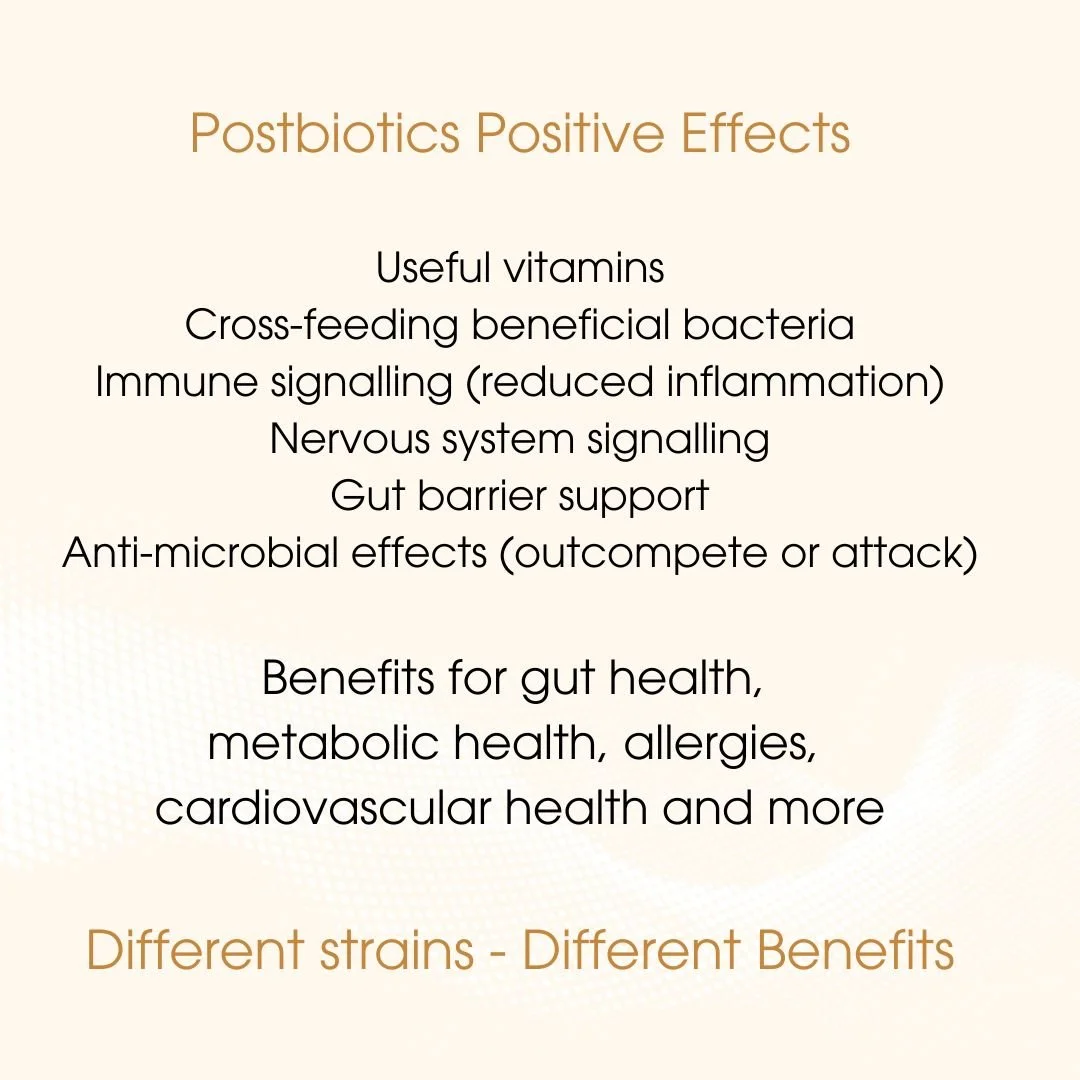
Hence, we see that various postbiotics can do very similar things to probiotics: boost levels of beneficial bacteria, decrease harmful species, strengthen the gut barrier, reduce inflammation, and have wider effects across the body.
The effects of the probiotics live on…which is perhaps why postbiotics have also been referred to as ghost probiotics.
Advantages over probiotics
Postbiotics also have the advantage of being stable over time and since they are dead there is no chance that they will colonise the gut, even in immunocompromised individuals. And they can’t pass antimicrobial resistance genes on to harmful bacteria. They are reliable and safe.
What about the postbiotic in Biome Builder?
Much as you have to select the right probiotic for your needs, different postbiotics have different user cases. We carefully selected a strain of postbiotic for Biome Builder that helps people with IBS: heat-treated Bifidobacterium longum CECT 7347 (HT-ESI)
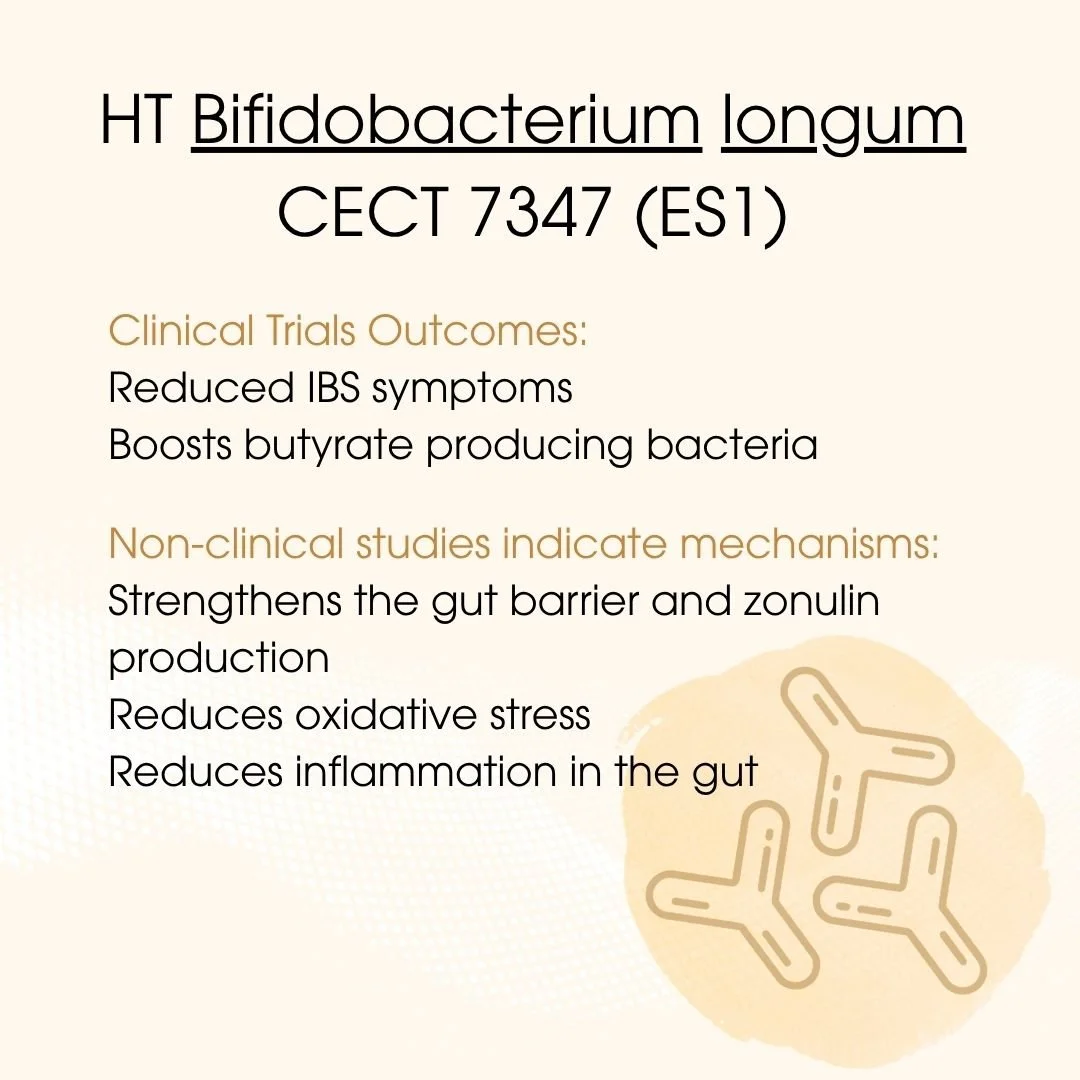
A randomised placebo-controlled trial published in 2024 demonstrated that the postbiotic significantly reduced IBS symptom severity (as measured via the standard IBS-SSS scale often used in research) compared to placebo. And the changes in symptoms were dramatic, so much so that most of the recipients to met three ‘responder’ criteria often used in IBS clinical trials. That is, 88% of the study participants taking the postbiotic saw their abdominal pain reduce by 30% over the 84 days of the study, similarly 88% saw a 95 point drop in their IBS-SSS score over the same period and 91% saw a 50 point drop.
A Spanish randomised placebo-controlled clinical trial also demonstrated that this postbiotic increases the abundance of butyrate producing bacteria, including Faecalibacterium and Anaerobutyricum, Phocaeicola, Anaerostripes, and Blautia with 4 weeks of daily intake. We’ve already seen that butyrate has a whole suite of benefits.
Both studies used daily doses of 2.5 billion units of the postbiotic - the same amount is in each serve of Biome Builder.
These effects are likely mediated through the effects of cell wall components and other bioactive components produced by the bacterium. These have antioxidant and anti-inflammatory effects, strengthen the gut barrier and cross-feed the microbiome.
Insight from animal and cells studies
The precise mechanisms are difficult to study in humans, but research with nematode worms and special colon cell cultures have provided more information about the impact of heat-treated Bifidobacterium longum CECT 7347 (HT-ESI).
These studies have shown that this postbiotic reduces oxidative stress, strengthens the gut barrier and zonulin production and also reduces inflammation and protects against bacterial infection.
Summary
And finally
At Noisy Guts, we don’t throw ingredients together and hope for the best. We follow the science. Biome Builder is built from four components chosen because they each do something specific for gut health: a well‑studied prebiotic fibre (PHGG), a probiotic (Bacillus coagulans MTCC 5856) that is proven to reduce IBS symptoms, the unique digestive benefits of polyphenol-rich kiwifruit, plus a clinically-validated postbiotic. All are safe and effective.
Together, these support the microbiome from multiple angles, feeding it, modulating it, and strengthening the gut environment around it. It’s a combination shaped by evidence, designed to help people with sensitive guts feel better.
Written by: Noisy Guts co-founder Dr Mary Webberley. Mary has a background in biology, with two degrees from the University of Cambridge and post-doctoral research experience.
References:
Salminen, S., et al., (2021). The International Scientific Association of Probiotics and Prebiotics (ISAPP) consensus statement on the definition and scope of postbiotics. Nature reviews. Gastroenterology & hepatology, 18(9), 649–667. https://doi.org/10.1038/s41575-021-00440-6
Smolinska, S., et al., (2025). A Review of the Influence of Prebiotics, Probiotics, Synbiotics, and Postbiotics on the Human Gut Microbiome and Intestinal Integrity. Journal of Clinical Medicine, 14(11), 3673. https://doi.org/10.3390/jcm14113673
Martorell, P et al., (2021). Heat-Treated Bifidobacterium longum CECT-7347: A Whole-Cell Postbiotic with Antioxidant, Anti-Inflammatory,and Gut-Barrier Protection Properties. Antioxidants, 10, 536. https:// doi.org/10.3390/antiox10040536
Naghibi, M., et al., (2024). Effect of Postbiotic Bifidobacterium longum CECT 7347 on Gastrointestinal Symptoms, Serum Biochemistry, and Intestinal Microbiota in Healthy Adults: A Randomised, Parallel, Double-Blind, Placebo-Controlled Pilot Study. Nutrients, 16 (22), 3952. https://doi.org/10.3390/nu16223952
Srivastava, S., et al., (2024). A randomized double-blind, placebo-controlled trial to evaluate the safety and efficacy of live Bifidobacterium longum CECT 7347 (ES1) and heat-treated Bifidobacterium longum CECT 7347 (HT-ES1) in participants with diarrhea-predominant irritable bowel syndrome. Gut Microbes, 16 (1). https://doi.org/10.1080/19490976.2024.2338322