
Will I Ever Be Able to Eat Onion and Garlic Again?
When I finally finished Phase 3 of the Low FODMAP diet (the personalisation phase), I was faced with what felt like a pretty grim reality. One of my biggest IBS triggers is fructans. Which meant waving goodbye to two of my all-time favourite foods: onion and garlic.
If you've completed the Low FODMAP diet and discovered the same thing, you'll probably understand the sense of loss. For me, it wasn't just about flavour. I'd spent years believing onion and garlic were nutritional superheroes (and they are!) Almost every slow-cooked meal in our house began with the holy trinity - onion, garlic and carrot.
So, the question I get asked over and over again is: "Will I ever be able to eat onion and garlic again?" And with a half glass full attitude, here’s why I believe there’s reason to believe that I will.
Why Do Onion and Garlic Trigger IBS?
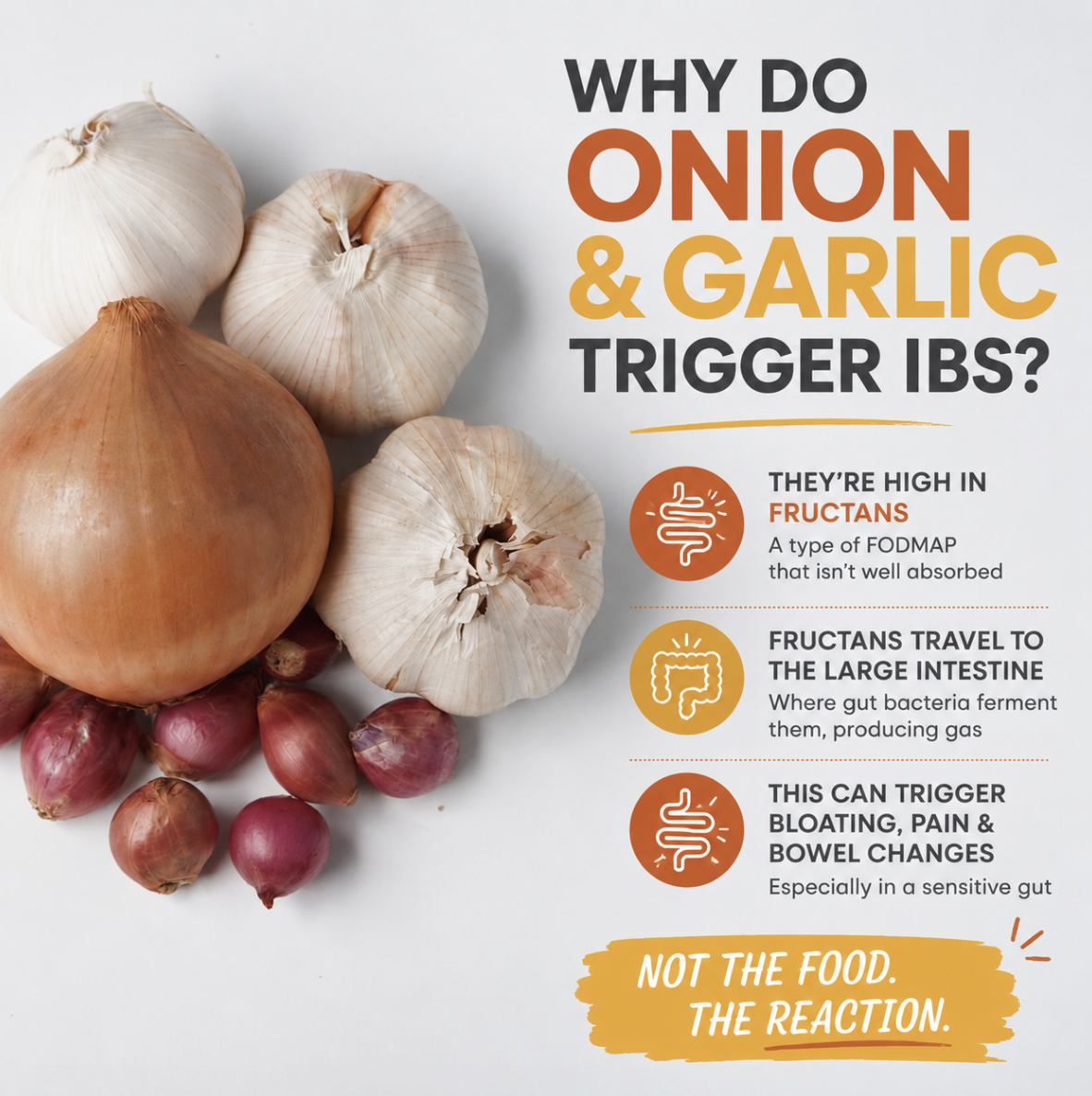
Fructans, as found in onion & garlic, can exacerbate gut health symptoms in many people with IBS.
Onion and garlic are naturally high in fructans, a type of fermentable carbohydrate (FODMAP) that isn't well absorbed in the small intestine. Instead, fructans travel to the large intestine where they're rapidly fermented by gut bacteria. This fermentation produces gas, and because fructans also draw water into the bowel, they can contribute to bloating, abdominal pain and altered bowel habits. For me, the symptoms start 2-3 hours after eating, compound the next morning in a fructan hangover and last for several days.
Here's the bit that most people don’t understand about the low fodmap diet. The fructans aren't actually the problem.Your gut's response to them is. People without IBS ferment fructans too. They just don't experience the same level of discomfort.
IBS is more than just food
One of the defining features of IBS is something called visceral hypersensitivity. In simple terms, the nerves in the digestive tract become extra sensitive. Normal amounts of gas or bowel stretching that wouldn't bother someone else can feel painful or uncomfortable if you have IBS.
Think of it like turning the volume up on your gut. The amount of gas may not be dramatically different but your brain and gut perceive it very differently. This is why IBS management isn't just about eliminating foods. Reducing stress, improving sleep, exercising regularly and calming the gut-brain axis can all help reduce hypersensitivity over time.
I'm still working on this myself. I'm constantly trying to make mindfulness a daily practice, and I’ve recently tried red light yin yoga and sound bathing.
Have I managed to reduce my hypersensitivity? Not yet. And not all the time. But I do believe that every little bit helps. And I hope that little bits of mindfulness, meditation and relaxation will help make my gut just a little less reactive than it was yesterday.
Our guts aren't static. Stress changes. Hormones change. The gut microbiome changes. Even our nervous system changes. All of these factors can influence how much of a particular FODMAP we tolerate. That's why retesting foods every 6–12 months is recommended, even if you previously failed a challenge. You might be pleasantly surprised. There are definitely times when I’m completely zen that I can handle more onion and garlic than normal.
The science is changing too
One of the things I love about the Monash University team is that they never stop testing foods. As analytical methods improve and new varieties of fruits and veggies become available, serving recommendations are updated regularly.
A great example is onions. The Monash FODMAP app now lists:
Brown Vidalia onion with a Low FODMAP serving of 22 g
Large pickled onions with a Low FODMAP serving of 60 g
That might not sound like much. But after years of thinking onion was completely off the menu, I'll happily celebrate every extra gram! These updates also give me confidence to keep testing my own limits instead of assuming yesterday's tolerance is today's tolerance.
It's never been easier to cook without onion and garlic
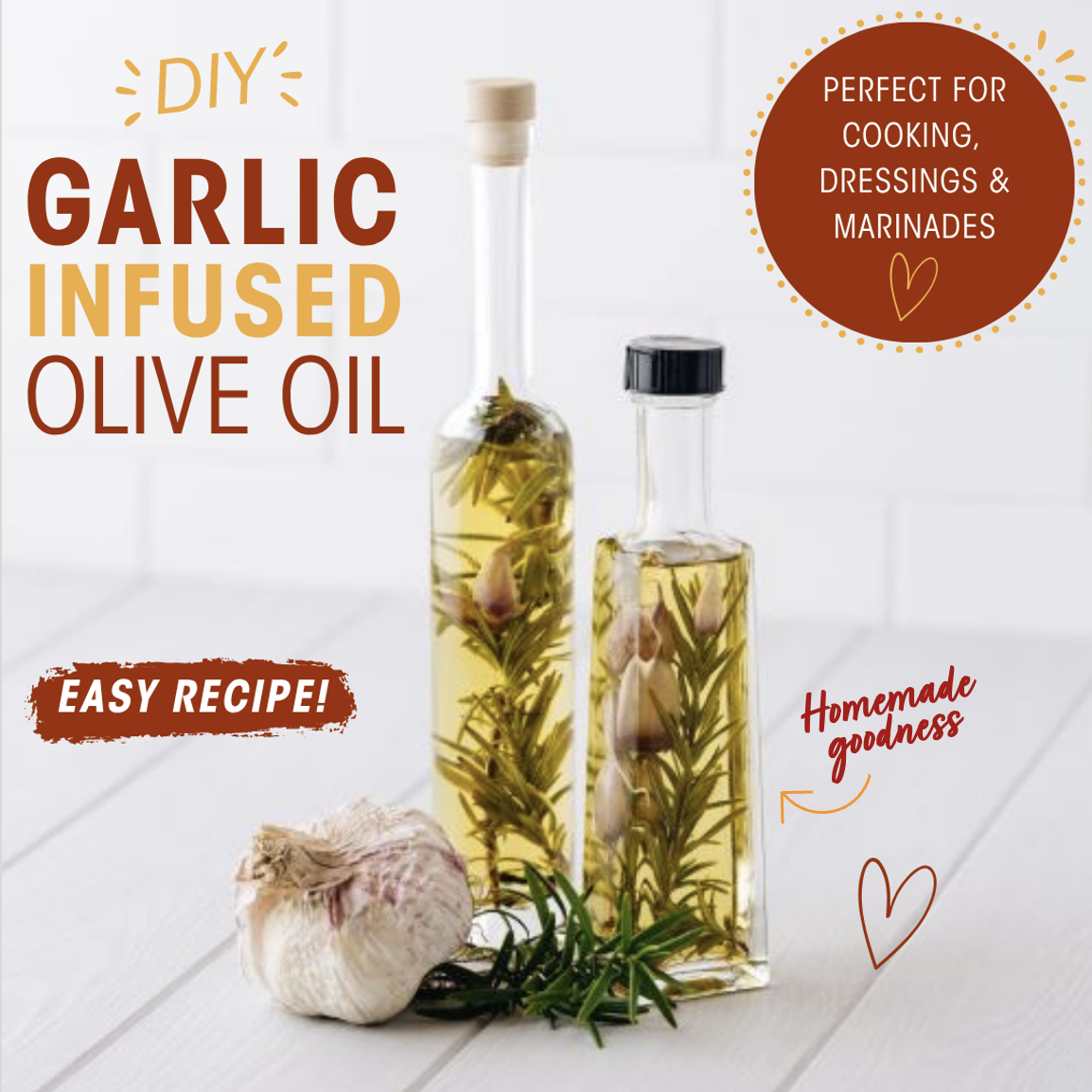
Don’t miss out on the flavour. Follow our easy-to-make garlic-infused olive oil.
Thankfully, food manufacturers have finally caught on. When I first started the Low FODMAP diet, onion and garlic-free products were almost impossible to find. Now there are some genuinely delicious options.
One of my favourite discoveries has been garlic-infused olive oil. Because fructans are water-soluble, not fat-soluble, they don't dissolve into the oil. That means you get the beautiful garlic aroma and flavour without the fructans that trigger IBS symptoms.
Now here’s my honest take on this. You can make your own (here’s the link to our recipe) but it doesn’t store well (thanks botulism!) so it’s not something you should make in bulk. But… I’ve found that many commercial varieties leave a ruinous aftertaste which can spoil an otherwise delicious meal. I’m currently trying a new brand (or maybe it’s just new to me) called Goldi Extra Virgin Garlic Agrumato. It’s aromatic. It’s tasty. And doesn’t have that rancid aftertaste that I’ve associated with commercial infused oils before. And I do note in the fine print that you have to use it within 4 weeks of opening. Which is something I might have missed when using other commercial varieties? Not sure. But this one seems different.
Another recent favourite is an Ayurvedic Butter Chicken simmer sauce that skips both onion and garlic but still delivers incredible flavour. It's proof that you don't have to sacrifice delicious food just because you have IBS. It’s definitely worth doing a deep dive into South Asian groceries for ayurvedic options.
Can enzymes help?
Another exciting area of research is digestive enzymes that target specific FODMAPs. Some enzymes have been used successfully for years. For example, lactase helps break down lactose in dairy foods, while α-galactosidase can improve the digestion of galacto-oligosaccharides (GOS) found in foods like beans and lentils.
More recently, researchers have turned their attention to enzymes that break down fructans. Early studies suggest these enzymes can break fructans into simpler sugars before they reach the large intestine, reducing the amount available for bacterial fermentation. This has been shown to reduce gas production, and some clinical studies have also reported improvements in IBS symptoms.
The research is encouraging, but it's still evolving. Digestive enzymes don't work for every FODMAP, and they won't completely eliminate symptoms for everyone. They're best thought of as another tool in the IBS toolbox, particularly for the occasional restaurant meal, family gathering or holiday when avoiding onion and garlic simply isn't practical.
For me personally, they’ve not proven to be overwhelmingly successful (but I accept that I was overly enthusiastic when first trying them).
There's plenty of reason to be hopeful
If you'd asked me five years ago whether I'd ever enjoy the flavour of garlic again, I'd probably have said no. Today? I have garlic-infused oils in my pantry. New Low FODMAP products are appearing on supermarket shelves every month. Monash continues to discover foods with larger Low FODMAP serving sizes. Researchers are learning more about the gut-brain axis. And digestive enzyme technology is advancing rapidly.
Will I ever happily eat a whole bowl of garlic prawns with no fall-out? Probably not.
But will I keep gently challenging my tolerance, staying curious and taking advantage of the growing number of Low FODMAP options available? Absolutely.
Blog written by: Noisy Guts co-founder Dr Josephine Muir. Longterm IBS sufferer and garlic & onion lover.