
GLP-1s, Gut Motility & IBS
GLP-1 medications are increasingly being used for weight management and blood sugar control, but their effects go well beyond appetite. These medications directly influence gut motility by slowing how quickly food moves through the digestive tract.
For people with IBS, this raises an important question: what happens when a medication designed to slow gut motility meets an already sensitive gut?
The answer isn’t straightforward. Depending on your IBS subtype and symptoms, GLP-1s may either improve or aggravate gastrointestinal symptoms such as bloating, constipation, urgency or abdominal pain.
But first… what are GLP-1 medications?
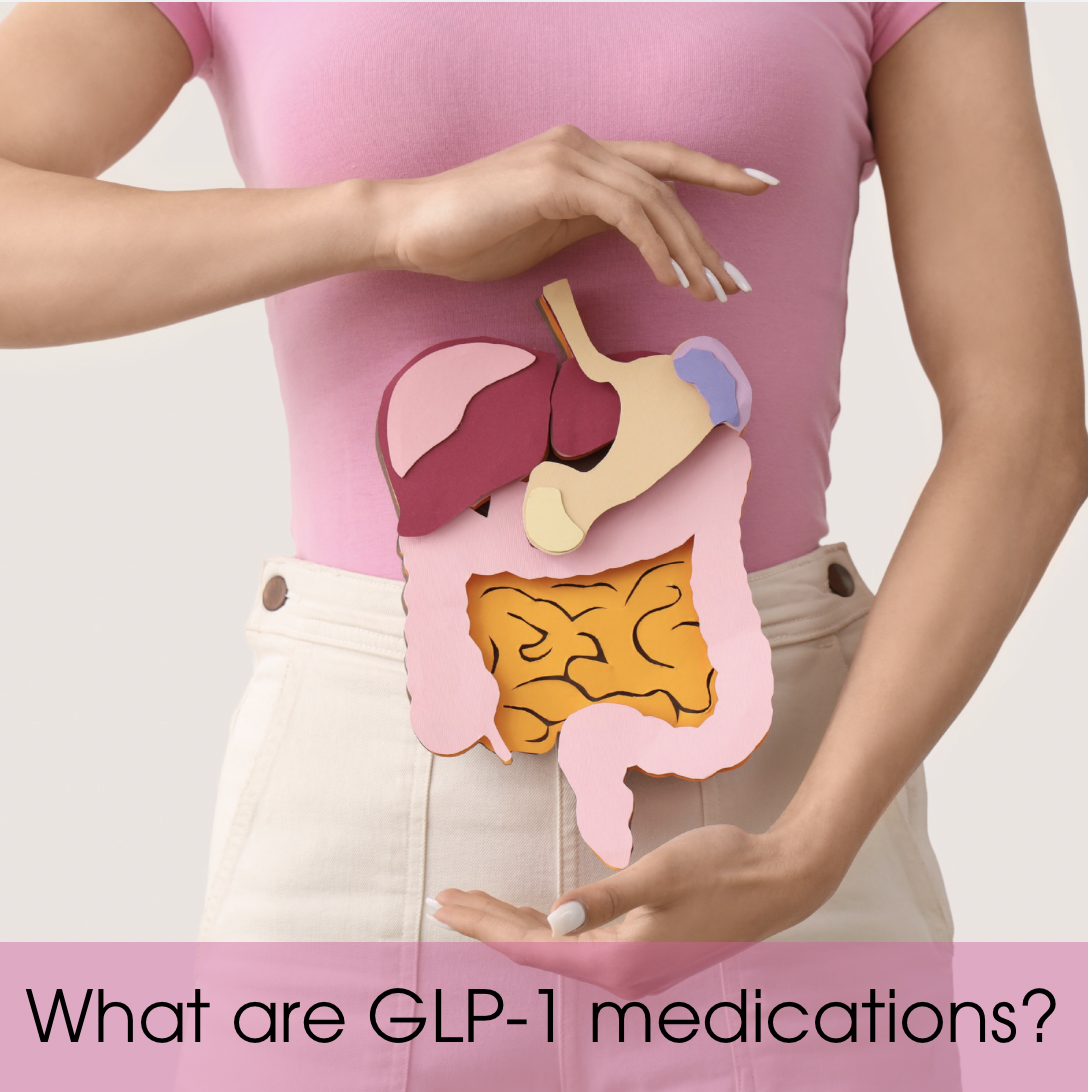
GLP-1 (glucagon-like peptide-1) receptor agonists are a class of medications used to treat diabetes, obesity and other chronic health conditions.
GLP-1 receptor agonists are medications originally developed for type 2 diabetes that mimic a natural gut hormone involved in appetite, blood sugar regulation and digestion. Some, such as semaglutide and tirzepatide, are now commonly prescribed for weight management.
How many people are using GLP-1 medications?
Short answer? A lot.
Recent media reports estimate around 500,000 Australians are paying $350-600 per month for GLP-1 medications. Non-diabetic users have increased from 8% of new users in 2020 to 34% in 2023.
In the United States, a major health poll found that around 1 in 8 adults have used a GLP-1 medication, with approximately 6% currently taking one. According to the same poll, 40% of users say they took them primarily for weight loss, while 60% were using GLP-1s to treat a chronic condition including diabetes or heart disease.
What do GLP-1s actually do in the gut?
Although GLP-1 medications are often discussed in the context of weight management or blood sugar control, they actually work directly on the digestive system.
One of their key jobs is to slow gastric emptying. In other words, they help food leave the stomach more slowly. This is partly why people feel fuller for longer after meals. Research consistently shows GLP-1 receptor agonists slow gastric emptying (how quickly food leaves the stomach). Their effects on bowel transit lower in the gut appear more variable and may differ between individuals and medications. Slower digestive pace can affect:
Fullness and appetite: feeling satisfied faster
Nausea: particularly when starting or increasing doses
Constipation: from slower intestinal transit
Diarrhoea: paradoxically, some people experience the opposite
Bloating and abdominal discomfort: symptoms many IBS sufferers already know too well.
What does this mean if you already have IBS?
Many people with IBS-C experience symptoms associated with slower or more difficult bowel movement pattern. For me, sluggish gut motility is my number one issue. Adding a medication that intentionally slows digestion can sometimes create a “double slow-down” effect. The results?
Harder stools
Increased bloating
More abdominal discomfort
Feeling overly full after eating
Less frequent bowel motions
Some people do perfectly well on GLP-1s with the right support, but others find constipation becomes significantly worse especially if hydration, food intake or fibre balance aren’t carefully managed.
For those with IBS-D (diarrhoea-predominant IBS), there can be some improvements in bowel urgency and/or frequency. Emerging research has suggested GLP-related pathways may even play a role in altered gut sensitivity and motility in IBS. However, we’re still very early in understanding who responds well and who doesn’t.
The tricky part? GLP-1s can also trigger nausea, cramping or diarrhoea in some people meaning not everyone with IBS-D will benefit.
As frustrating as it sounds, IBS loves to keep things individual.
What does the research actually say?
The strongest evidence we currently have relates to gut motility, not IBS specifically.
Published studies consistently show GLP-1 receptor agonists slow gastric emptying and influence intestinal movement. That slowing effect is well established and explains why gastrointestinal symptoms such as nausea, constipation and altered bowel habits are among the most common side effects.
When it comes to IBS-specific research, however, the evidence is still emerging and limited. Much of the recent medical focus on delayed gastric emptying with GLP-1 medications has centred on safety concerns before surgery or endoscopy, particularly the risk of aspiration under anaesthesia. The focus has been on the development of pre-operative and pre-procedural guidelines – not on the impact of GLP-1s on IBS or sensitive guts.
Some early research suggests GLP-related signalling may influence pain sensitivity, bowel habits and gut motility in IBS, but we’re nowhere near a ‘one size fits all’ answer. One paper suggested that GLP-1s may improve some gut health symptoms (such as abdominal pain) but worsen others (such as regularity and constipation).
The most interesting paper I read showed a big difference between real world results of using GLP-1s versus the results achieved in clinical trials. This is because outside the structure of randomised clinical trials, most people stop using GLP-1s within a year.
Real-world studies suggest gastrointestinal side effects particularly nausea and digestive discomfort are among the leading reasons people stop treatment, alongside cost.
Right now, clinicians are mostly relying on individual symptom monitoring and careful dose adjustments. Translation? Your gut response matters more than someone else’s success story online.
Supporting gut motility while taking a GLP-1 and managing your IBS

PHGG is a gentle prebiotic fibre that supports bowel regularity.
If you have IBS and you’re thinking about GLP-1s, talk to your GP about your individual suitability by asking the following questions:
Could this medication worsen my IBS symptoms?
What symptoms should I monitor?
How should I manage nausea or bowel habit changes?
How should I adjust fibre and fluid intake?
GLP-1s are neither universally ‘good’ nor ‘bad’ for IBS; they’re simply another factor that may influence an already sensitive digestive system. For some people, they may help. For others, they may worsen symptoms. Two things we know at Noisy Guts from our pharmacists who assist GLP-1 users manage their gut symptoms day in, day out is that partially hydrolysed guar gum and protein are key.
If you live with IBS, the key is careful monitoring, realistic expectations and working closely with your healthcare team rather than relying on someone else’s success story online.
Blog written by Josephine Muir, PhD.
ps. As you’re aware if you’ve been following us for some time, Mary & I don’t venture into the weight-loss space. We’re first and foremost a science-based gut health company. The purpose of the blog is not to advocate for or against weight-loss medications; but simply to discuss some of the science behind the impact of a class of drugs designed to slow gut motility on already sensitive digestive systems.
Sources:
Hedgman, A. “GLP-1 weight-loss drug use surges across Australia amid safety warnings and supply shortages”, NewsWire. 24 May 2026.
Mentero, et al. “KFF Health Tracking Poll May 2024: The Public’s Use and Views of GLP-1 Drugs”.Published: May 10, 2024.
Jalleh R, et al.. “Gastrointestinal effects of GLP-1 receptor agonists: mechanisms, management, and future directions”. The Lancet Gastroenterology & Hepatology, 2024; 9, 957-964
Thomsen RW, et al. “A. Real-world evidence on the utilization, clinical and comparative effectiveness, and adverse effects of newer GLP-1RA-based weight-loss therapies”. Diabetes Obes Metab. 2025;27(Suppl. 2):66-88.